
How Long Do Papillons Live For?
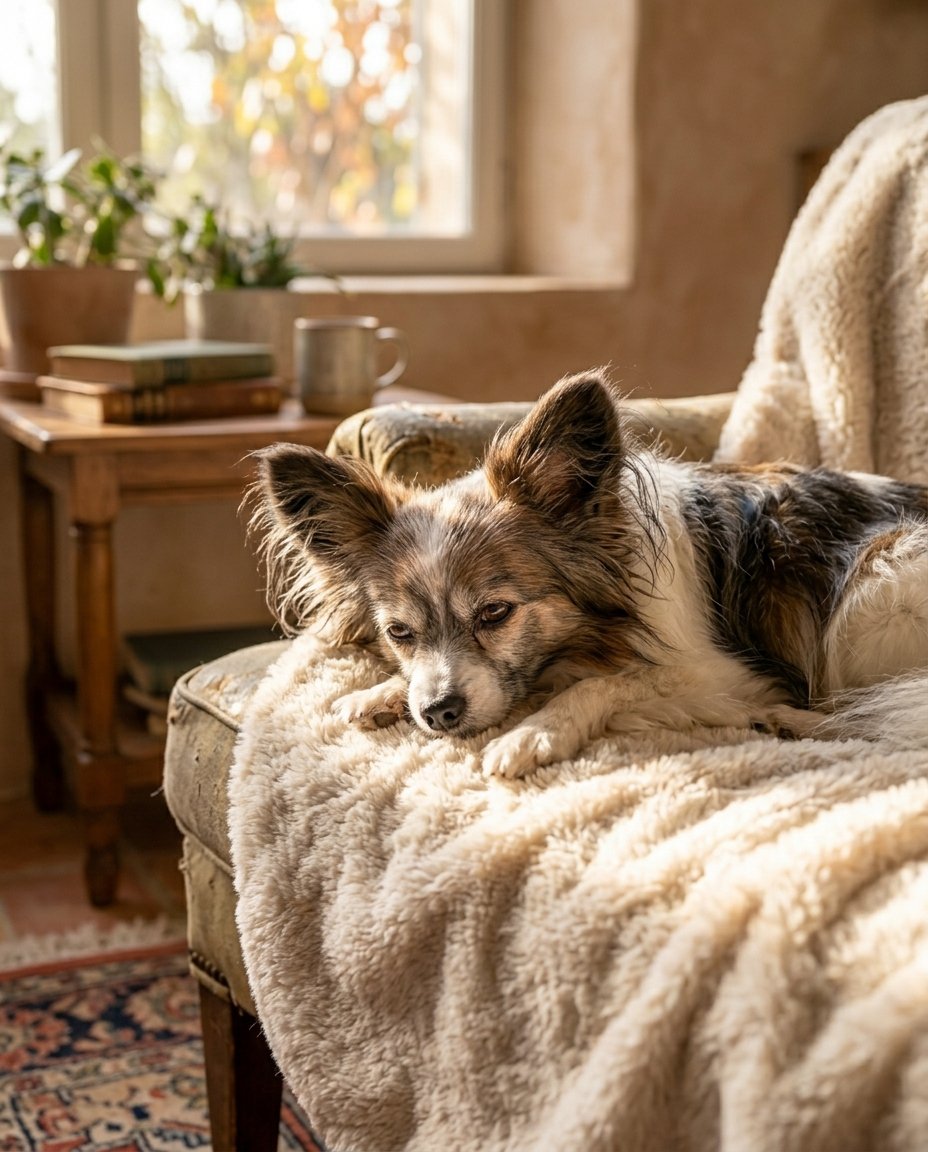
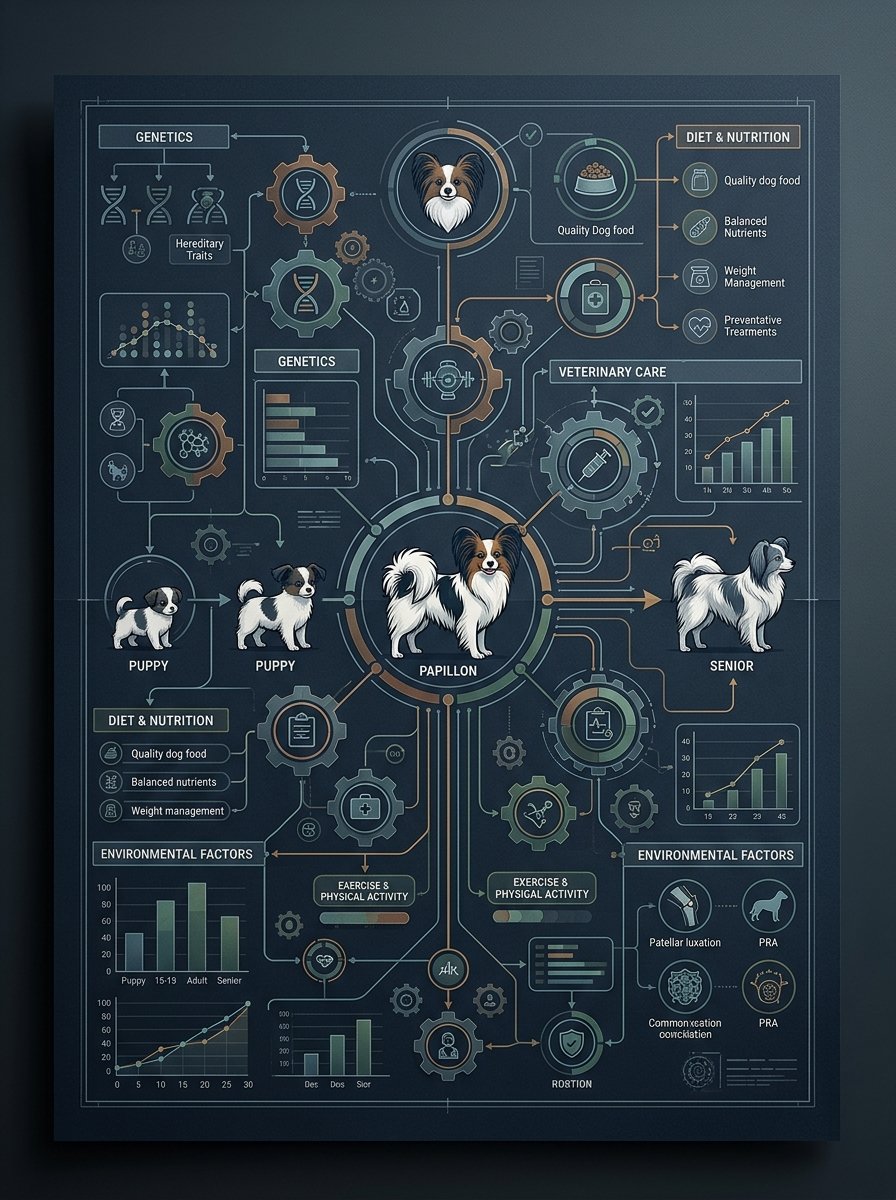
If you own a Papillon or are thinking about getting one, you probably want to know how long do Papillons live for. It’s a fair question, and the answer might surprise you. These little dogs with the butterfly-shaped ears tend to have impressively long lives compared to many breeds.
The average Papillon lives between 14 and 17 years. Some well-cared-for Papillons have been known to reach 18 or even 20 years old. That puts them among the longest-lived dog breeds in the world. A Papillon adopted today could easily be part of your family for well over a decade.
That’s great news for anyone looking for a small dog with staying power. But knowing the number alone does not tell the whole story. What actually affects how long your Papillon lives? And what can you do to help your dog reach that upper range? Keep reading.
Why Papillons Tend to Live So Long
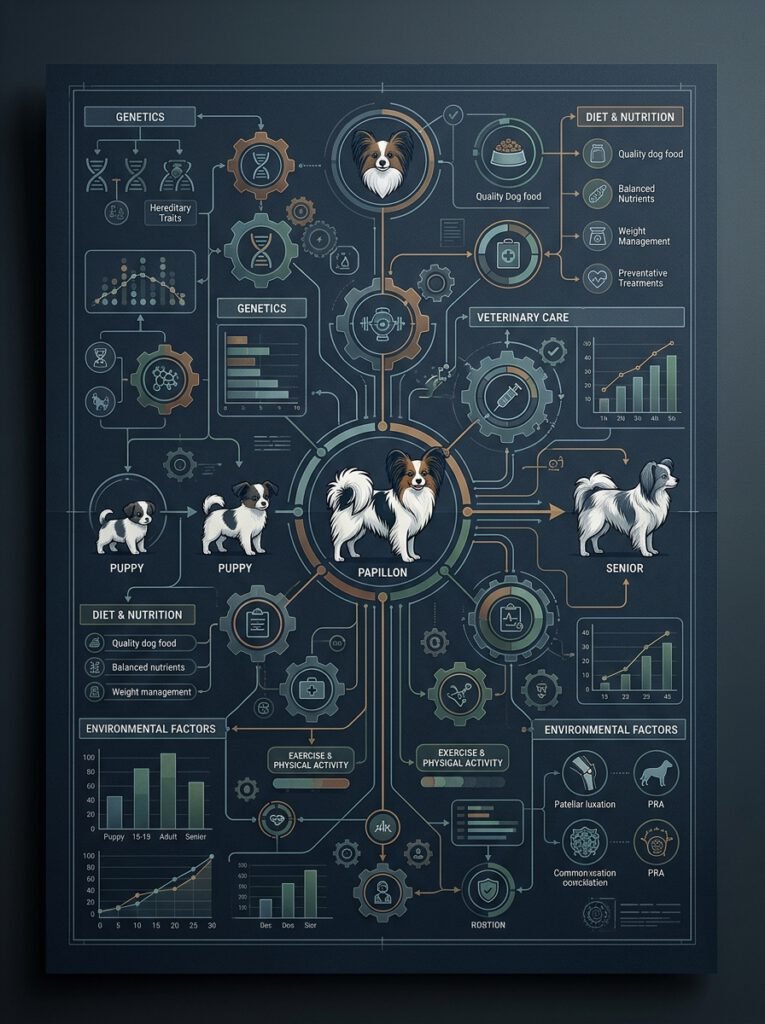
Papillons belong to the toy group, and toy dogs generally outlive larger breeds. The reasoning is simple. Big dogs age faster. Their bodies work harder just to move around, and that extra stress takes a toll over time. Papillons do not have that problem.
Beyond size, the breed has surprisingly few genetic health problems. Responsible breeders have worked hard to keep the bloodline clean. Still, no breed is perfect. Watch out for issues like progressive retinal atrophy (PRA), patellar luxation, and dental problems. Catching these early makes a big difference.
One real example: a Papillon owner named Sarah noticed her 9-year-old dog, Biscuit, was bumping into furniture at night. She brought him to the vet within days. The diagnosis was early PRA. Because she acted quickly, the vet started treatment right away. Biscuit adjusted well and lived another five years comfortably. That quick response extended his life.
Daily Habits That Help Papillons Reach Old Age
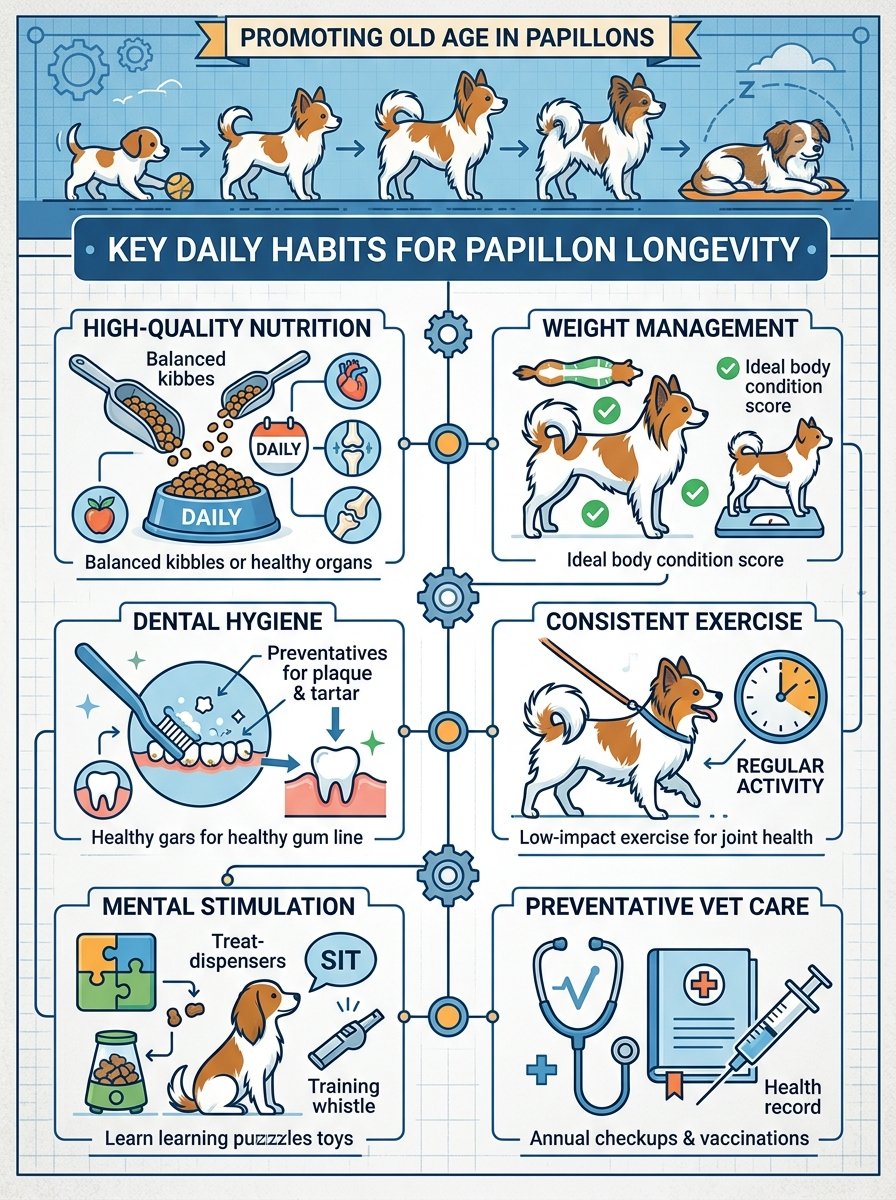
Genetics set the stage, but daily care writes the script. Here is what actually matters on a practical level for extending your Papillon’s lifespan.
- Keep teeth clean. Dental disease is one of the most common problems in small dogs. Brush your Papillon’s teeth several times a week, and schedule regular professional cleanings. A 6-year-old Papillon named Maple lost three teeth to decay before her owner started a brushing routine. After that, no more major dental visits for three years.
- Maintain a healthy weight. Papillons only weigh 5 to 10 pounds. That means even a pound or two of extra fat puts serious strain on their tiny frames. Obesity leads to heart problems, joint issues, and a shorter life. Measure food carefully and limit treats.
- Stay active together. These dogs are playful and smart. A daily walk plus some interactive play keeps muscles strong and minds sharp. An old Papillon that moves is a Papillon that stays mobile longer.
- Feed quality food. Look for protein-first dog food without heavy fillers. Better nutrition means better coat, stronger immunity, and less strain on internal organs.
Mistakes That Shorten a Papillon’s Life
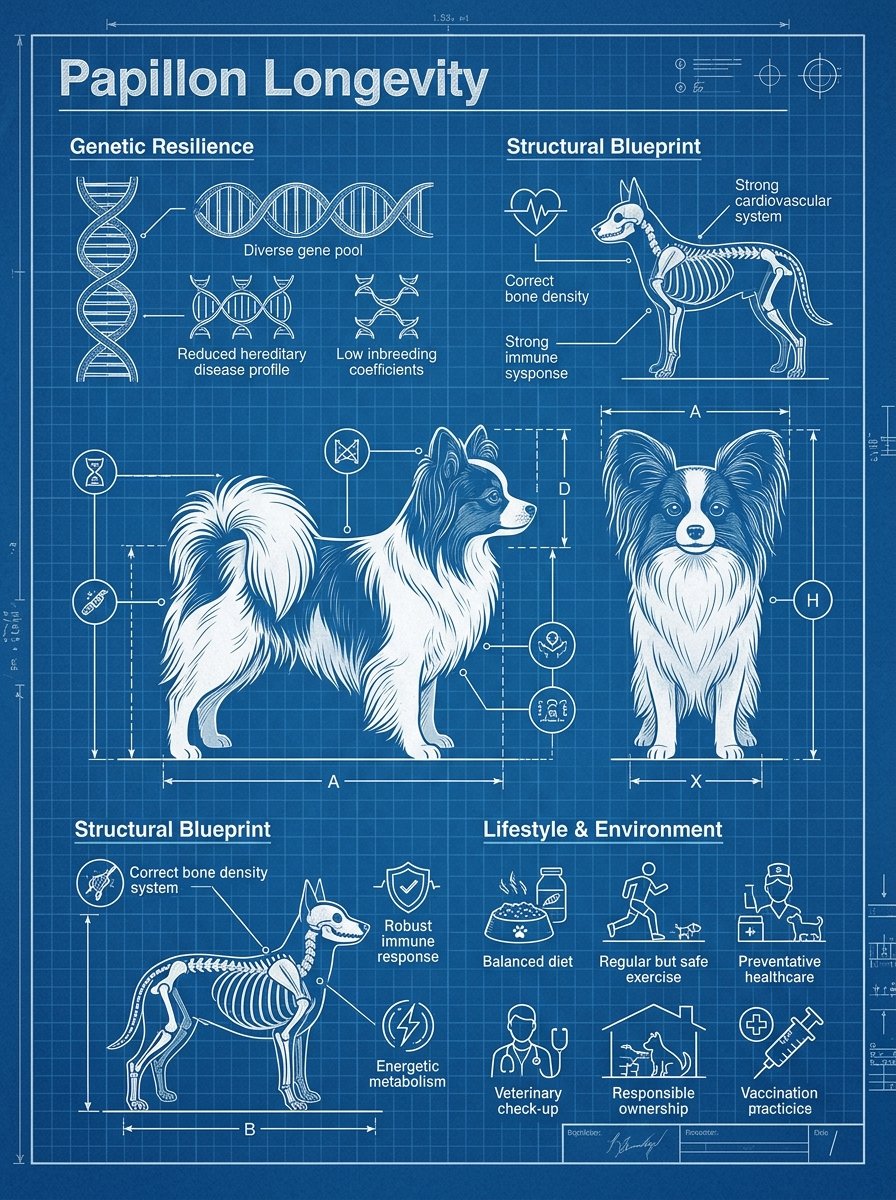
Even devoted owners make simple errors that cost years. Knowing what to avoid is just as important as knowing what to do.
A dog that skips its annual vet visit might look fine on the outside while something serious develops inside. Prevention is always cheaper than treatment.
One common mistake is skipping annual checkups. Papillons mask pain well. They may act normal even when something is wrong. By the time symptoms show, the problem could be advanced. Annual blood work and physical exams catch issues before they become emergencies.
Another pitfall is letting small dogs off-leash in unsafe areas. Papillons are fast and curious. A sudden dash into traffic or a scuffle with a bigger dog can end badly. The risk is not worth the freedom. Use a harness and leash on walks, even if your dog has perfect recall at home.
Overfeeding is a third quiet killer. Those pleading eyes at dinner time make it hard to say no. But a few extra treats daily add up. In a 6-pound dog, 50 extra calories a day is roughly equivalent to a person eating an extra meal. Keep treat portions small and count them toward daily food intake.
What to Expect as Your Papillon Ages
Once a Papillon hits 10 or 11, signs of aging start to show. Their energy may drop a little. Their hearing or vision might dull. Joint stiffness becomes more common on cold mornings. None of this means the end of a good life. It just means adjusting your care routine.
Older Papillons often appreciate softer bedding. Ramps up onto furniture protect aging joints. Switching to senior-formula food helps with digestion and weight management. Shorter, gentler walks keep them moving without overexertion.
One owner, David, added a ramp to his couch when his Papillon, Rosie, turned 12. She had always loved sitting up high with the family. The ramp let her keep doing that without jumping. Rosie made it to 17 years old. Simple adjustments like that add comfort and, often, time.
Frequently Asked Questions
Can Papillons live longer than 17 years?
Yes, some do. While 14 to 17 is the typical range, healthy Papillons with excellent care have reached 18, 19, and even 20 years. Genetics play a role, but lifestyle matters just as much.
Do Papillons have more health problems than other small dogs?
Not especially. They are considered a relatively healthy breed. The main concerns are dental disease, patellar luxation, and PRA. Regular vet visits keep these manageable.
What is the single biggest factor in how long a Papillon lives?
Dental health. Untreated dental disease releases bacteria into the bloodstream and damages organs over time. Keeping teeth clean is the simplest thing an owner can do to add years.
At what age is a Papillon considered a senior?
Around 10 to 11 years old. That is when most Papillons begin showing subtle signs of aging. Switching to senior food and scheduling twice-yearly vet visits helps them navigate this stage comfortably.
Give Your Papillon the Best Chance at a Long Life
How long do Papillons live for? Most hit 14 to 17 years, and some go even longer. That is a long time to share your life with a loyal, intelligent, and affectionate companion. The difference between a 14-year life and a 17-year life often comes down to everyday choices.
Brush those teeth. Watch the weight. Keep up with vet visits. Give your Papillon a daily routine that includes movement, mental stimulation, and good food. These small steps do not take much effort, but they pay off in years.
If your Papillon is already in your home, start today. Book that dental cleaning you have been putting off. Switch to a better food. Add five minutes of structured play to your afternoon. Your dog will not know why things changed, but their body will thank you for it.
Thinking about bringing a Papillon home? Find a reputable breeder or check your local rescue. Either way, you are signing up for well over a decade of companionship. That is a good deal by any measure.


Thoughts from the Pack