
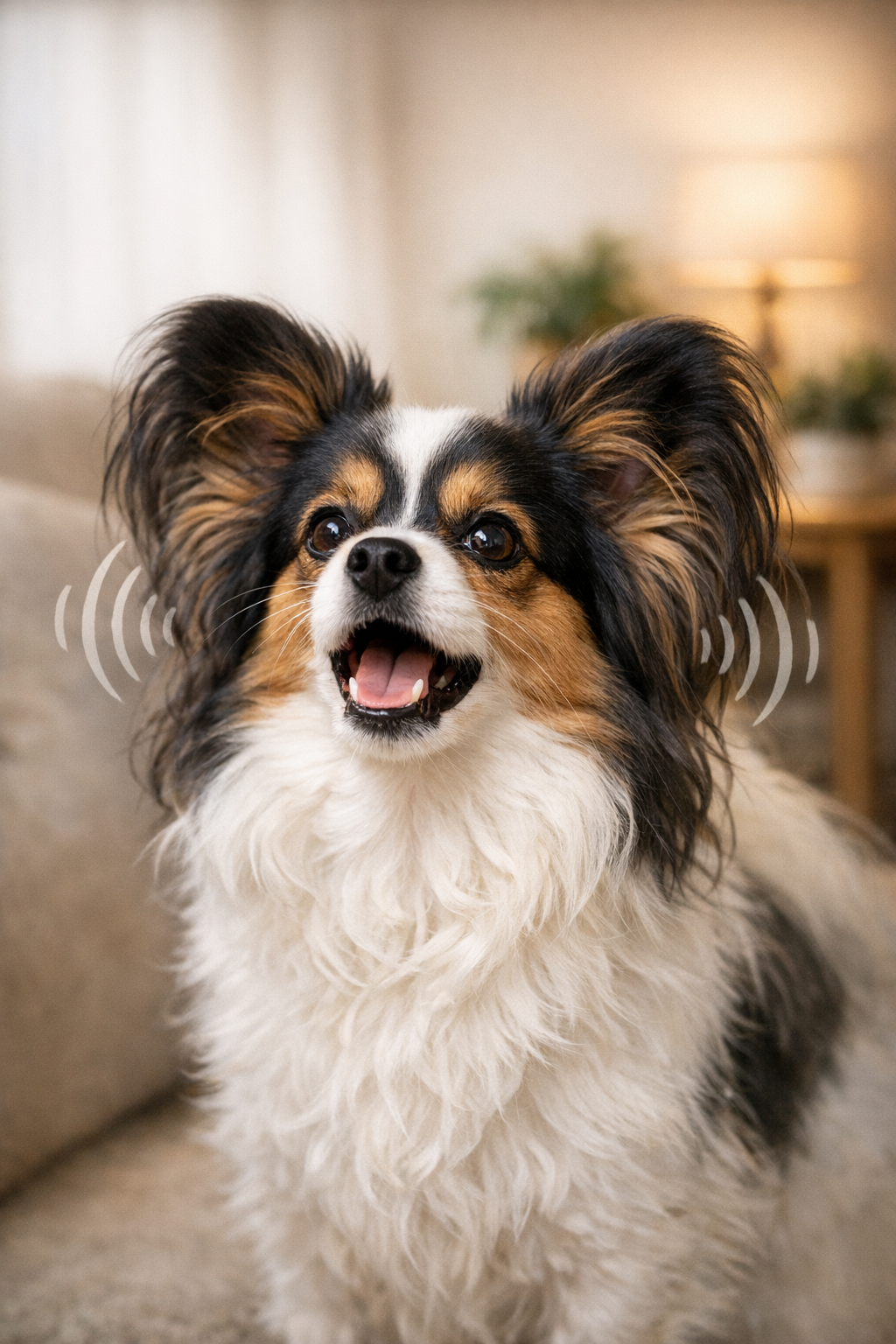
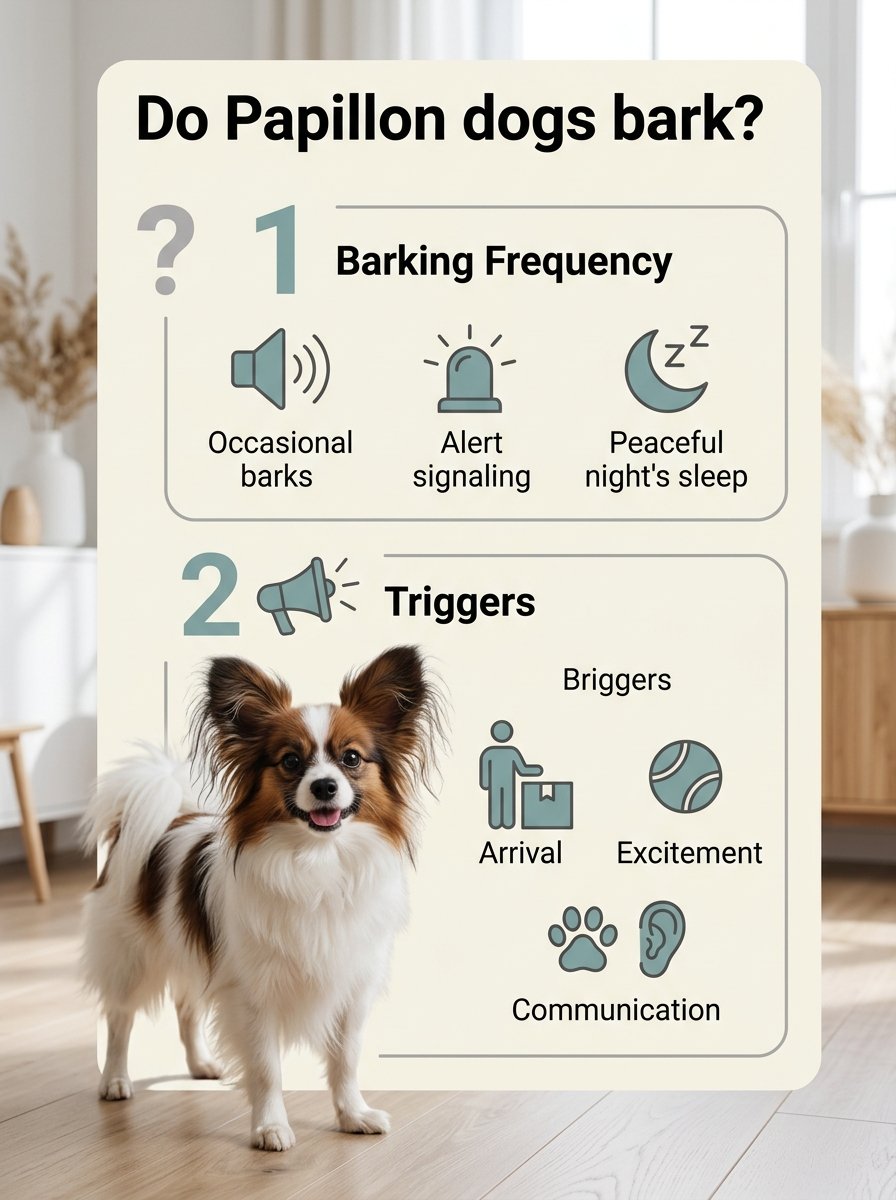
Do Papillon Dogs Bark? What Every Owner Should Know
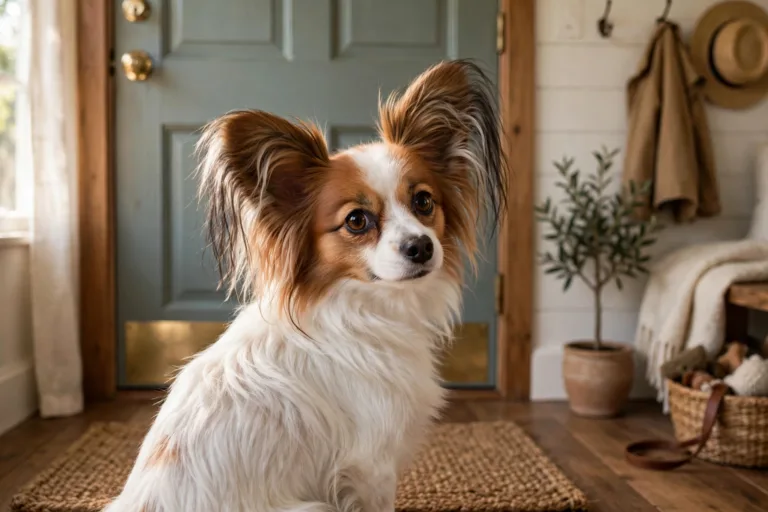
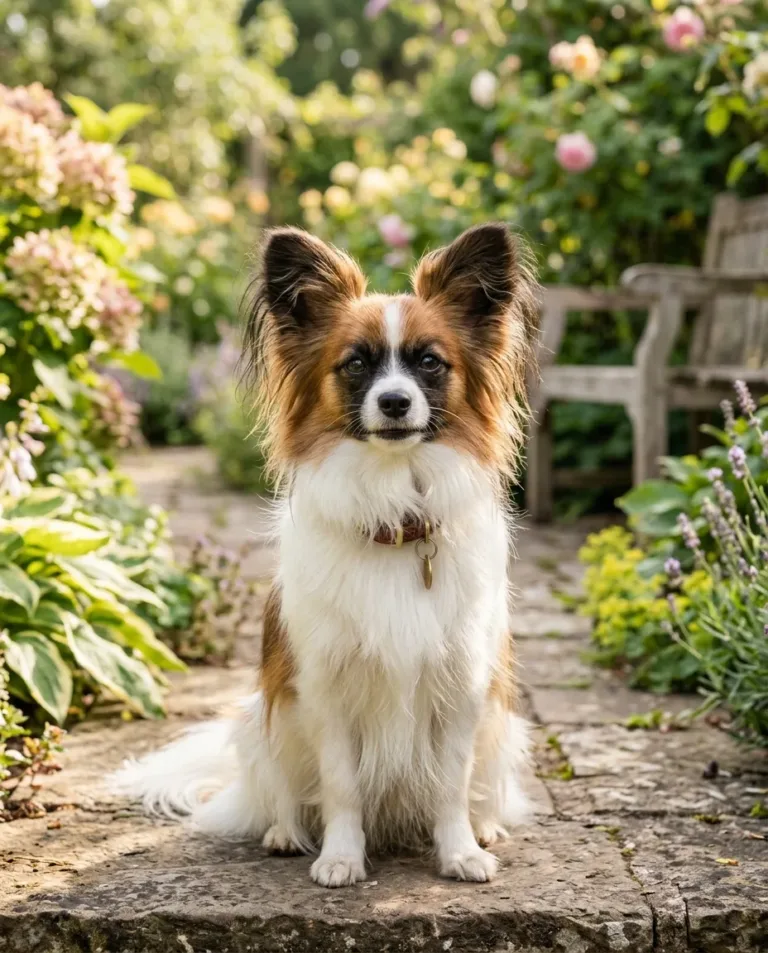
Papillons turn heads everywhere they go. Those big butterfly ears and confident stride make them stand out at the dog park. But before you bring one home, you probably want to know one thing. Do Papillon dogs bark a lot? Here’s the truth. Papillons are not the loudest dogs you’ll ever meet. They are also not silent. This breed was built to be alert and interactive with their families. That means they communicate, and sometimes that communication comes out as barking. The good news? You can manage barking with the right approach. This guide breaks down exactly what to expect and how to handle it.
Why Papillons Bark in the First Place
All dogs bark. It’s how they talk to us. Papillons just happen to have a few reasons that come up more often than other breeds.
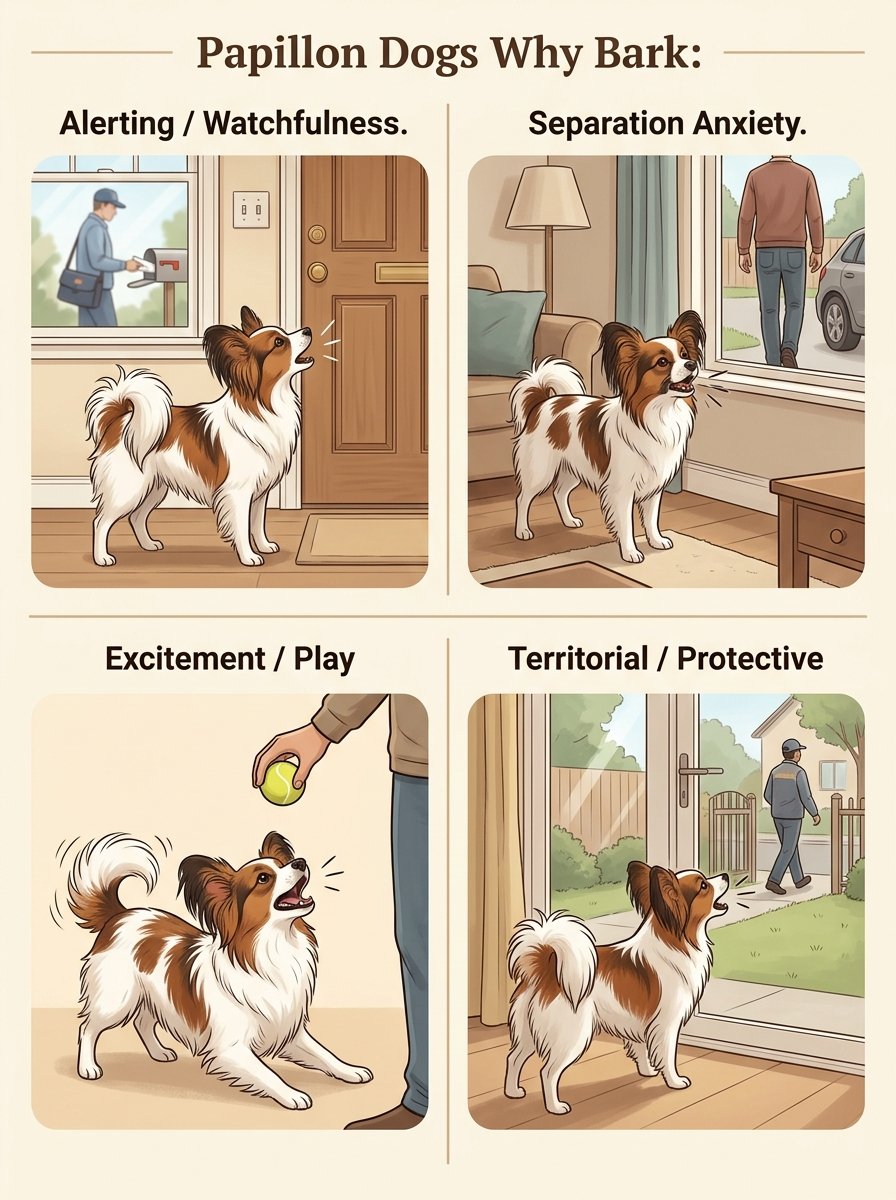
These little dogs were bred as companions for royalty. They spent centuries sitting beside important people, watching everything closely. That job required them to notice changes in their surroundings. When something seemed off, they would speak up. That instinct is still strong in Papillons today. Your dog might bark when someone walks past your window. They might alert you when the mail carrier comes by. Some Papillons even bark when they hear other dogs in the neighborhood. Here are the most common reasons Papillons bark:
- They see or hear someone at the door
- They want your attention
- They’re excited about playtime or treats
- They feel anxious or uncertain
- They’re responding to loud noises or other dogs
How to Reduce Unnecessary Barking
You don’t need to live with constant noise. There are practical steps you can take to bring your Papillon’s barking under control.
Teach the Quiet Command
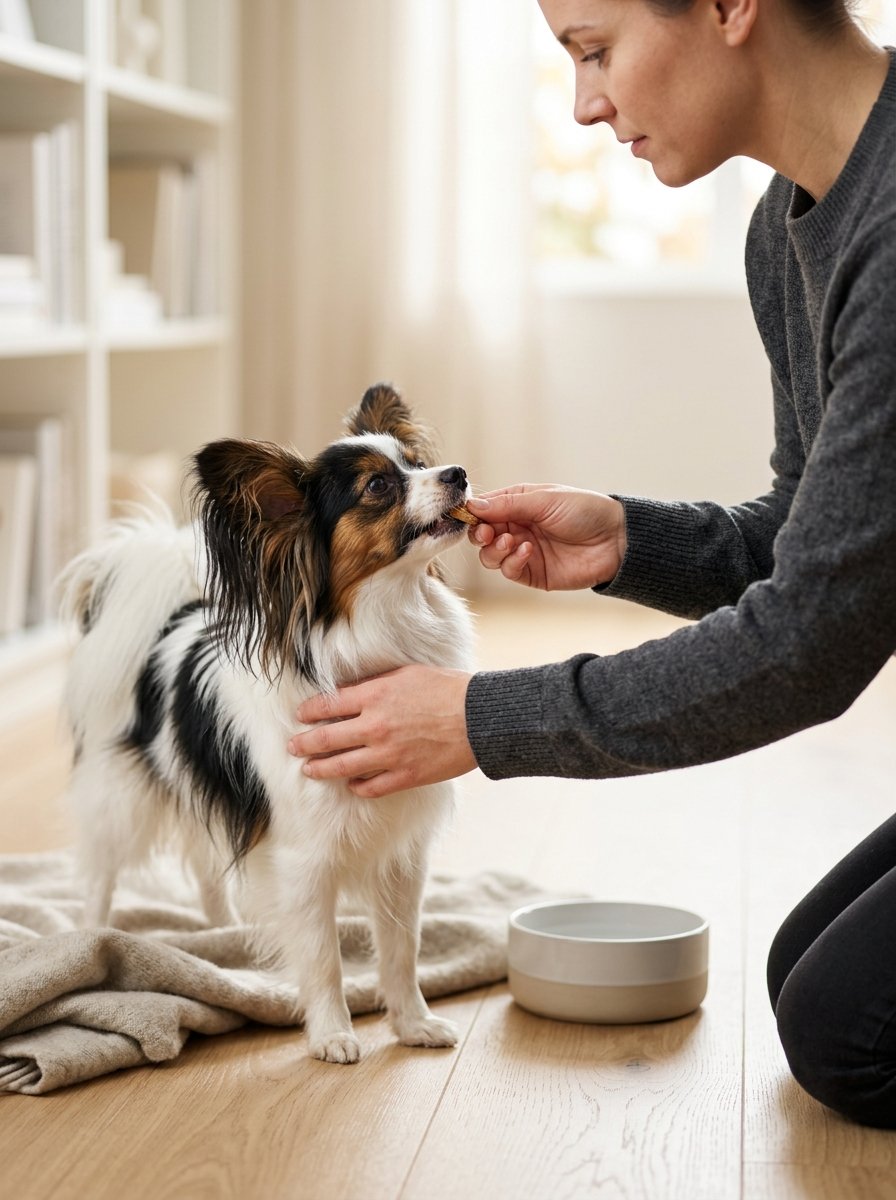
This simple trick works better than yelling ever will. When your Papillon barks, wait for a short pause. The moment they stop, say ”quiet” in a calm but firm voice. Then immediately give them a small treat and praise them softly. Practice this every time barking happens. Your dog will start to learn that silence earns rewards. The key is being consistent. Everyone in your household needs to use the same word and the same timing.
Meet Their Core Needs
A bored Papillon makes more noise than a busy one. Make sure your dog gets at least 30 minutes of active play each day. Walks, fetch, tug games, and puzzle toys all help burn off energy. Lonely Papillons bark to call their families back. If you work long hours, consider a midday dog walker or doggy daycare. Some Papillons do fine alone, but others struggle with it.
Control Their Environment
Sometimes the simplest fix is changing what your dog can see. If your Papillon barks at people walking by the window, try blocking their view with curtains or moving their bed to another spot. During parties or events with lots of noise, give your dog a quiet space away from the action. A cozy crate with a favorite blanket can help them feel secure.
What to Expect From Your Individual Dog
No two Papillons are exactly alike. Some barely make a sound. Others will tell you everything they think all day long. Genetics play a role, but upbringing matters just as much. A Papillon raised in a calm household with good training will usually be quieter than one left alone too much or surrounded by chaos. Early socialization helps too. Puppies who meet lots of different people and hear many sounds tend to be more confident and less reactive. Your lifestyle affects barking frequency as well. A Papillon in a quiet suburban home hears less to bark at than one living in a busy apartment building. Plan accordingly when you bring your dog home.
One more thing worth mentioning. Watch how you react to barking. If your Papillon barks and you yell at them, guess what? You’ve just given them attention. Even scolding counts as interaction in your dog’s mind. Try to only respond when your dog is calm and quiet. That teaches them calm behavior gets results. According to the American Kennel Club, ignoring unwanted barking and rewarding silence is one of the most effective approaches for any dog breed.
When to Get Extra Help
Most barking issues resolve with basic training and environmental changes. But sometimes barking signals something deeper. Contact your veterinarian if your Papillon suddenly starts barking way more than usual. Pain, hearing loss, or cognitive decline in older dogs can trigger new barking problems. Your vet can rule out medical causes. A professional trainer might help if basic techniques aren’t working. Look for someone who uses positive reinforcement methods. Avoid trainers who rely on shock collars or punishment-based approaches. Those tools can make anxiety-related barking worse.
FAQ: Common Questions About Papillon Barking
Are Papillons louder than other small dogs?
Papillons fall somewhere in the middle. They bark more than breeds like the Cavalier King Charles Spaniel, but less than Chihuahuas or Yorkshire Terriers. Their alert nature makes them vocal, but individual personality and training matter more than breed alone.
Can I stop my Papillon from barking completely?
No, and you shouldn’t try. Barking is how dogs communicate with us. Trying to silence a dog completely is unfair and often impossible. Instead, focus on reducing unnecessary barking while keeping your dog’s ability to alert you when it really matters.
At what age do Papillons bark the most?
Puppies and young adults tend to bark more. As Papillons mature, they often become calmer and more selective about when they speak up. Senior Papillons might bark more due to confusion or hearing loss, which is worth monitoring.
Do Papillons bark more when left alone?
Some do, especially if they struggle with separation anxiety. Signs include barking or howling while you’re gone, destructive behavior, and accidents despite being house trained. Gradual departures and arrivals can help ease anxiety. Severe cases might need professional behavioral support.
Thoughts from the Pack