

Are Papillon Dogs Good?
If you are currently evaluating whether a Papillon belongs in your home, you are likely looking past the breed's undeniable charm. You are asking if this specific, energetic toy breed aligns with your lifestyle, your expectations, and your capacity for dedicated companionship. The question of whether Papillon dogs are good is not a matter of simple yes or no. It is a matter of compatibility. These are not passive lap dogs; they are vibrant, intelligent, and highly active creatures that demand engagement. For the right owner, they are exceptional. For the wrong one, they can be a source of frustration. This assessment aims to provide the clarity you need to decide if the Papillon is the right addition to your life.
The Papillon at a Glance: Why They Command Attention
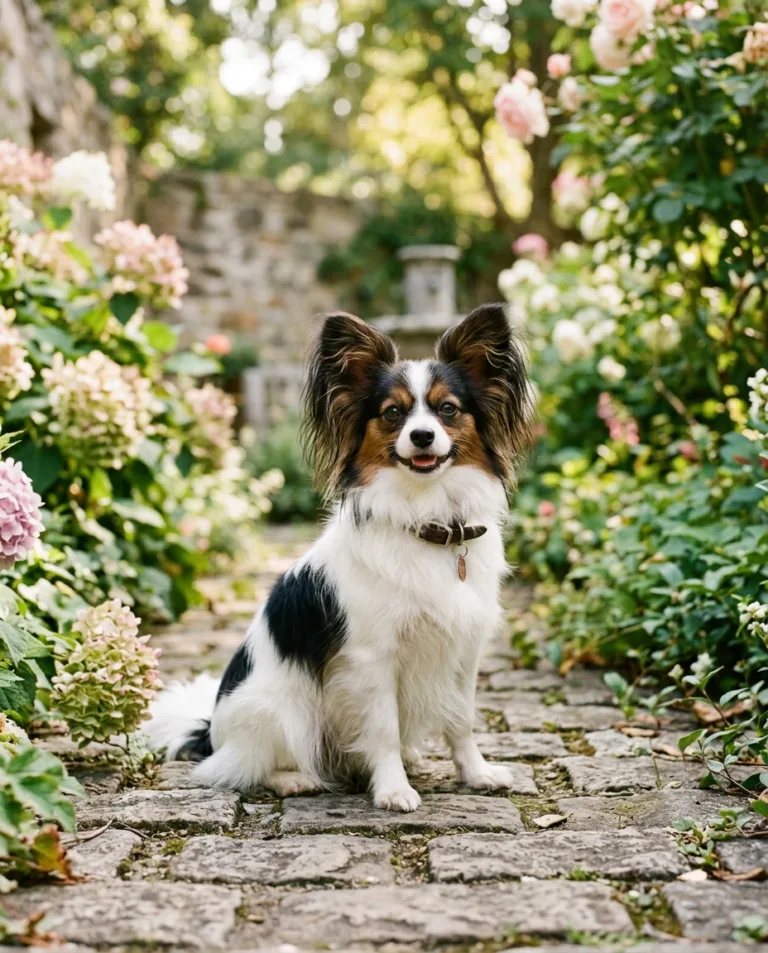
To understand if a Papillon is good for you, one must first understand what they are. They are not merely small dogs; they are spaniels in miniature. This distinction is crucial. While many toy breeds were developed solely for companionship, the Papillon retains the intelligence, drive, and curiosity of a working dog. They are frequently recognized as the best Papillon dog breed for owners who want a small companion that can actually perform tasks, learn complex tricks, and participate in agility or obedience sports. If you have ever seen a Papillon dog best in show, you have witnessed the pinnacle of their poise and structural elegance. However, that performance is the result of significant training and socialization. They are not born perfectly behaved; they are born with the capacity to learn quickly.
Regarding the practical side of ownership, the Papillon dog average price can vary significantly depending on the breeder's reputation, health testing protocols, and the dog's lineage. You should expect to invest in a puppy from a breeder who conducts OFA (Orthopedic Foundation for Animals) health testing, as this is the baseline for responsible stewardship. Do not view the initial purchase price as the total cost of ownership; the true investment lies in the time you dedicate to their mental stimulation and the quality of their nutrition.
What the Papillon Gets Right: The Strengths of the Breed
When a Papillon is well-bred and well-socialized, they are a joy to live with. Their primary strength is their intelligence. They are often ranked among the smartest of all dog breeds, which makes them remarkably responsive to training. If you enjoy the process of teaching, a Papillon will keep you on your toes. They pick up new commands with startling speed, often requiring fewer repetitions than larger, more stubborn breeds.
Their physical nature is another significant asset. Unlike many toy breeds that are prone to lethargy, the Papillon is an athlete. They are sturdy, agile, and surprisingly resilient. They enjoy long walks, hikes on gentle terrain, and active play sessions. This makes them a fantastic choice for an active adult or a family with older, respectful children who want a dog that can keep up with them without requiring the space of a larger breed. They are elegant companions who do not sacrifice vitality for size.
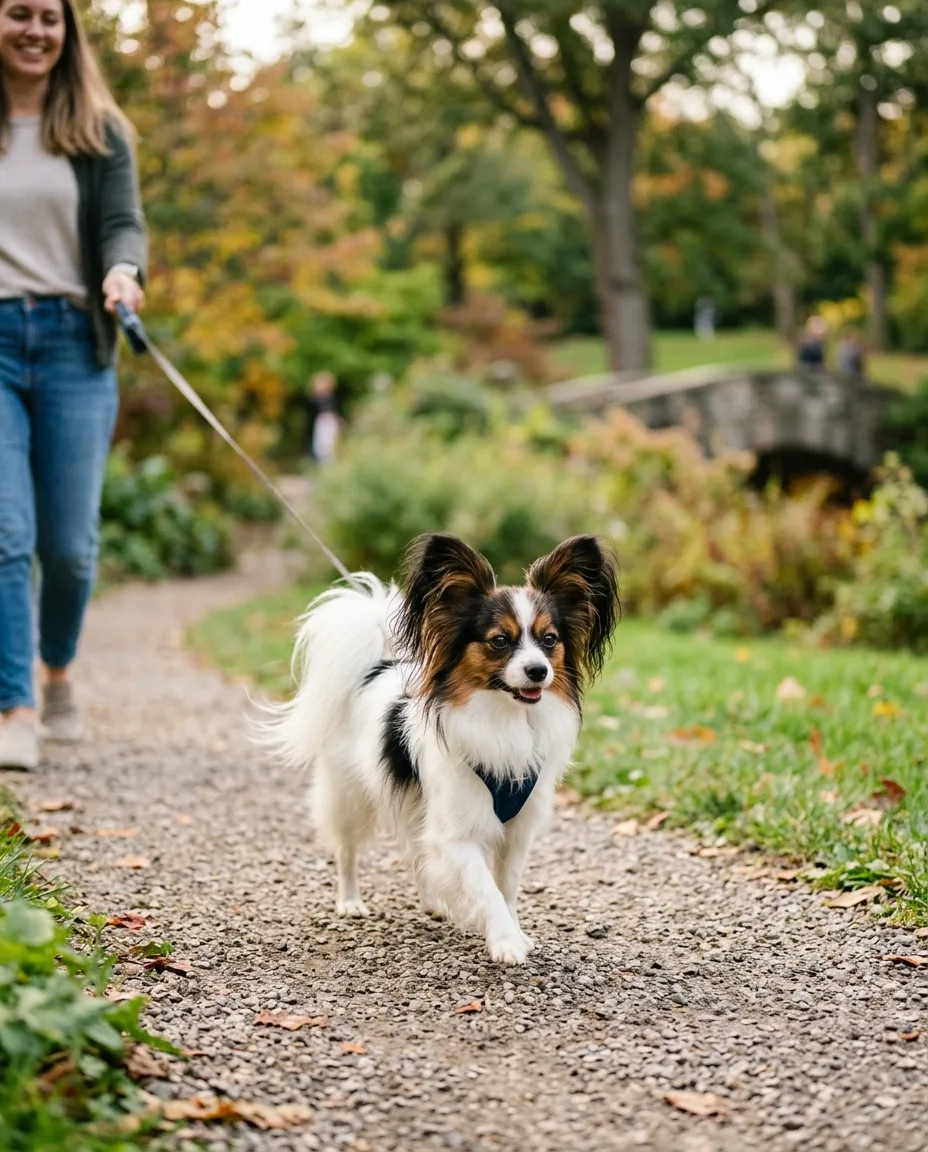
Furthermore, their affectionate nature is not clingy in the way some companion breeds can be. They are devoted, certainly, but they often retain a sense of independence that many owners find refreshing. They are happy to be by your side, but they are equally content to observe the household from a comfortable vantage point.
Where the Breed Falls Short: Real Tradeoffs
Honesty is required when discussing the challenges of the Papillon. They are not for everyone. Their intelligence is a double-edged sword; a bored Papillon is a destructive one. If they are not provided with adequate mental stimulation, they will find their own entertainment, which often involves barking, chewing, or testing boundaries. This is not a dog you can leave alone for ten hours a day without consequence.
They are also delicate, particularly as puppies. Their fine bone structure means they are susceptible to fractures if handled roughly or if they jump from significant heights. This makes them a poor choice for households with very young, boisterous children who may not understand how to interact with a fragile animal. The risk of injury is a reality that every potential owner must accept and mitigate through careful supervision.
Another point of contention is their grooming. While they do not have the complex coat of a Poodle or the shedding profile of a double-coated breed, they do require regular maintenance. Their long, silky hair is prone to matting behind the ears and on the legs. You must be prepared to brush them at least twice a week. If you are looking for a wash-and-wear dog, the Papillon will require a shift in your expectations.
Papillon Dog vs. Chihuahua: Understanding the Differences
It is common to compare the Papillon to the Chihuahua, as both are popular toy breeds. However, the experience of living with them is distinct. The Chihuahua is often more territorial and can be more selective about the humans they trust. They tend to be more "one-person" dogs. The Papillon, while also forming deep bonds, is generally more outgoing and eager to interact with a wider circle of people and other pets.
In terms of training, the Papillon typically has a higher drive to work and please, whereas the Chihuahua may require more patience and a softer approach to motivation. If you are choosing between the two, consider your own energy level. If you want a dog that is ready for an adventure and highly trainable, the Papillon is the superior choice. If you prefer a more stationary, lap-focused companion, the Chihuahua may be the better fit.
Frequently Asked Questions About Papillon Ownership
Are Papillons good with other pets?
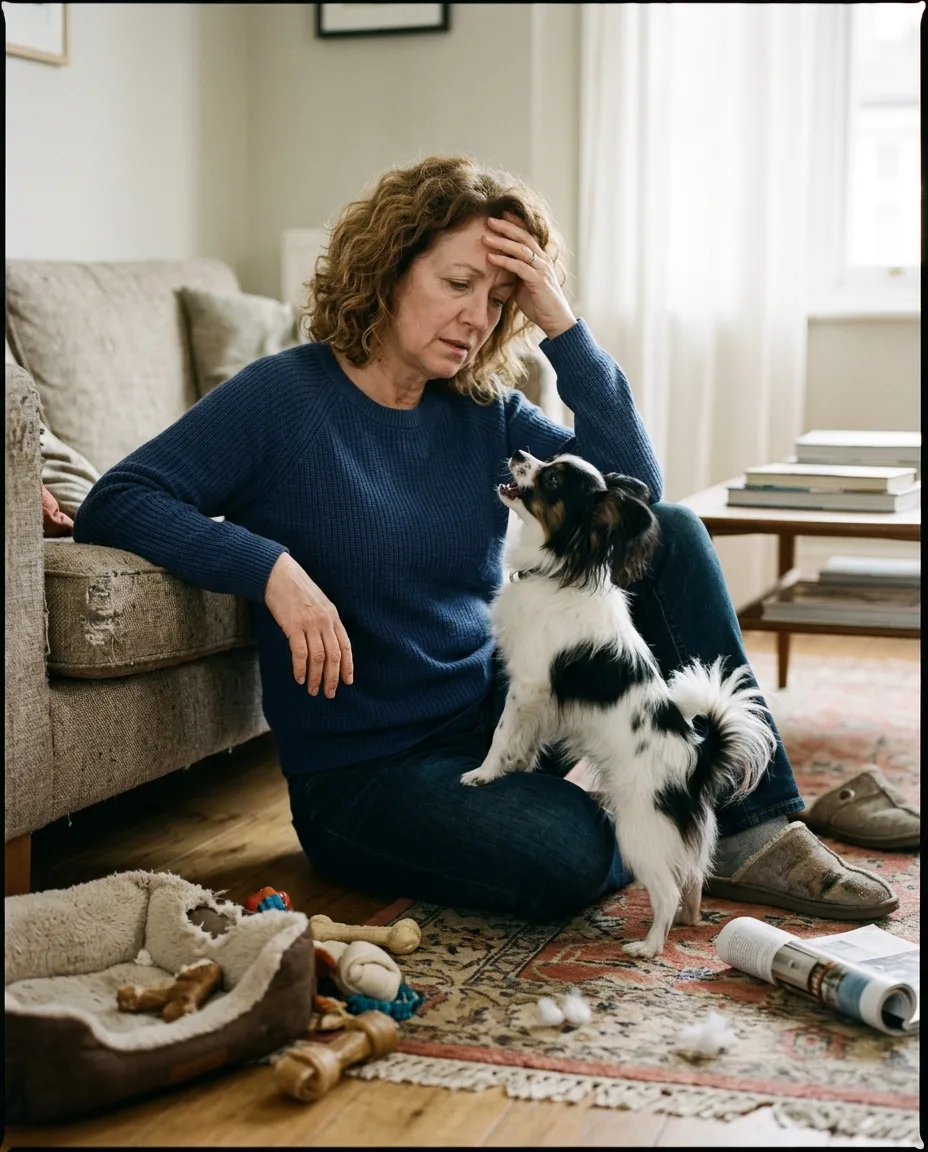
Generally, yes. Because they are not overly aggressive, they tend to integrate well into households with other dogs and even cats. However, because they are small, they should always be supervised when interacting with larger dogs to prevent accidental injury.
Do Papillons bark a lot?
They can be vocal. They are alert dogs and will often bark to announce visitors or unusual sounds. This trait can be managed with consistent training from a young age, but you should expect them to be communicative.
How much exercise does a Papillon actually need?
They are not couch potatoes. A daily walk and some indoor play are necessary. They thrive when they have a job to do, whether that is learning a new trick or navigating a simple agility course in the backyard.
Are they difficult to house train?
Small breeds can be notoriously difficult to house train, and the Papillon is no exception. They require consistency, a strict schedule, and positive reinforcement. Expect the process to take longer than it would with a larger breed.
Making Your Final Decision
Deciding if a Papillon is good for you requires looking at your own life with the same scrutiny you apply to the dog. Do you have the time to dedicate to training? Are you prepared to protect a small dog from the hazards of a busy household? Do you enjoy the process of grooming and maintenance? If you can answer these questions with a clear, confident yes, then you are likely well-prepared for the joys of living with a Papillon. The next step is to research reputable breeders through the [Papillon Club of America](https://papillonclub.org/) or reach out to breed-specific rescue organizations. Do not rush the process. A well-matched dog is a companion for over a decade; take the time to ensure that the match is truly right.

Thoughts from the Pack