
The Affectionate Papillon: Understanding the Heart of the Breed
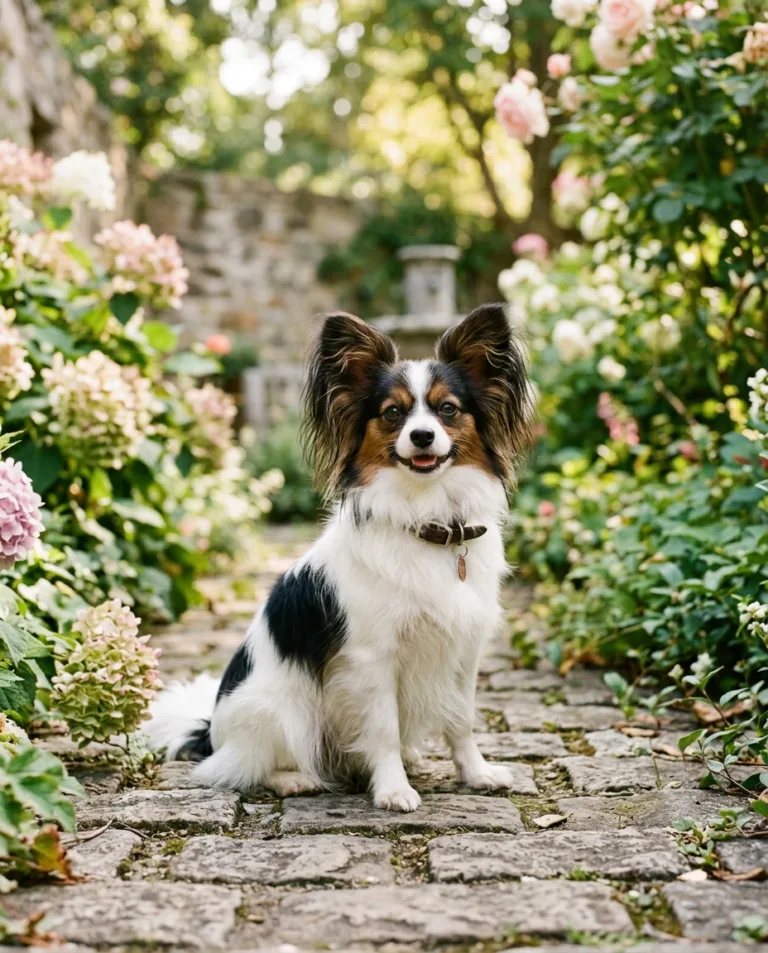
If you are considering bringing a Papillon into your home, you are likely weighing their reputation for high intelligence against their physical stature. A common question prospective owners ask is whether these elegant, butterfly-eared dogs are truly affectionate or if they are simply clever, independent spirits who prefer their own company. The answer is nuanced, but for those who value a deep, communicative bond with their canine companion, the Papillon is rarely a disappointment.
The Nature of Papillon Affection
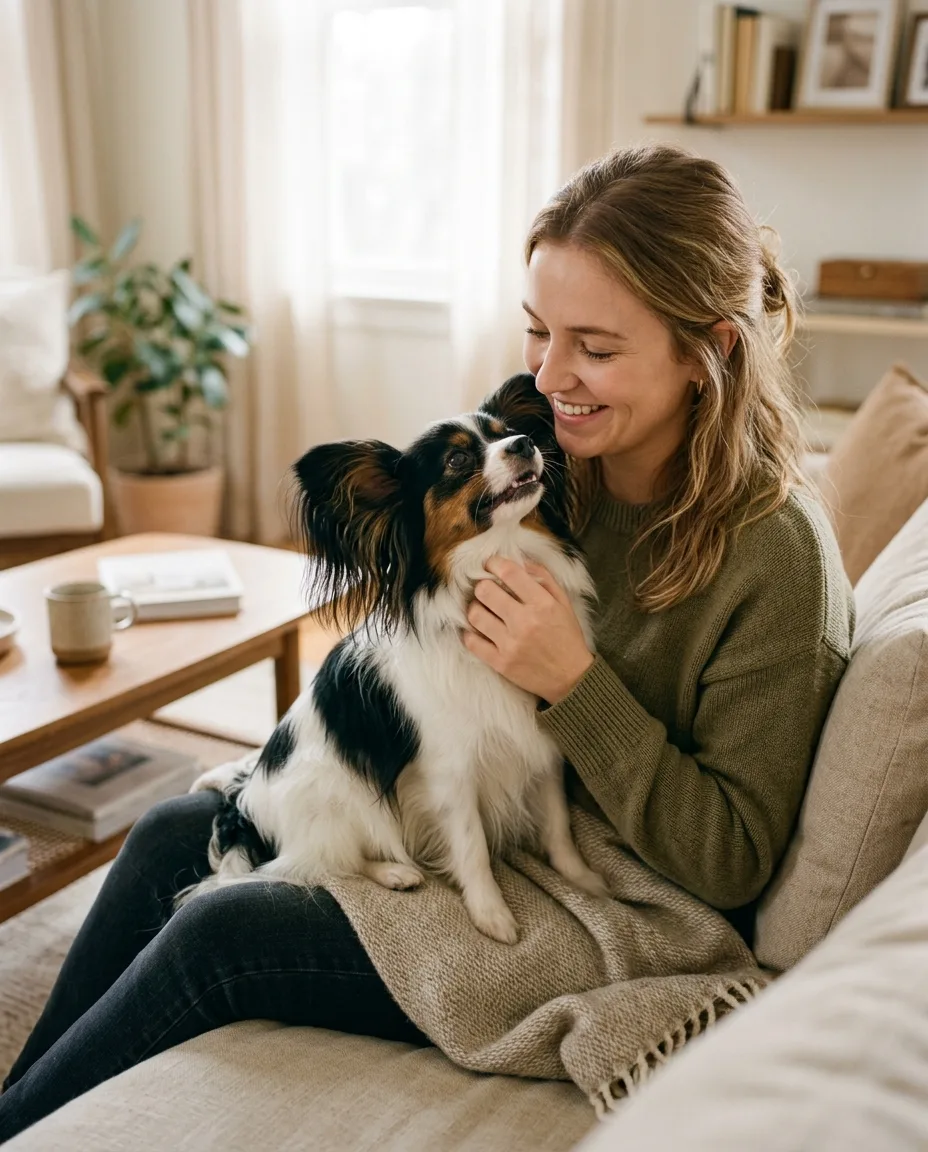
To understand the Papillon, one must first discard the notion that all toy breeds are lap dogs by default. While many toy breeds are bred specifically for companionship, the Papillon descends from the spaniel family. This lineage gives them a distinct temperament. They are not merely ornamental; they are active, alert, and deeply connected to their primary humans.
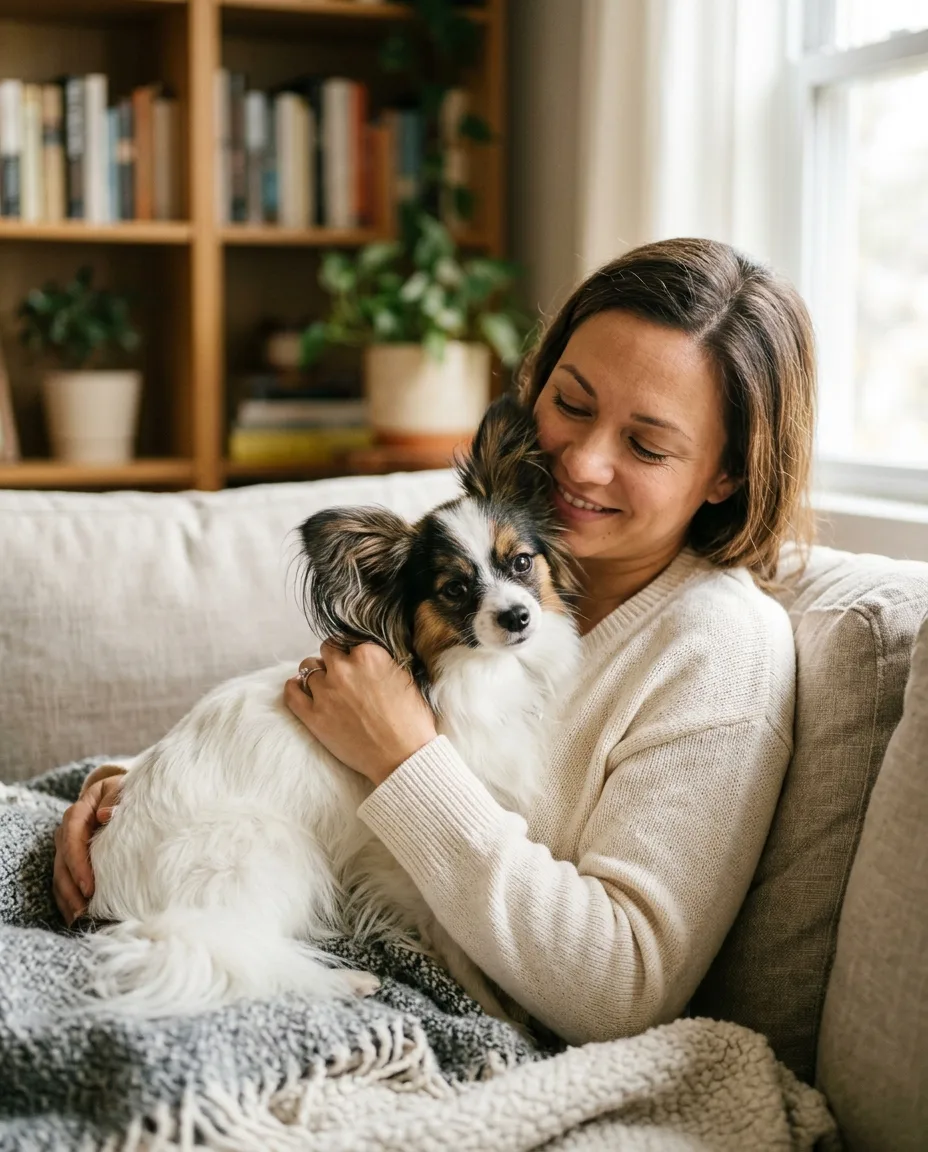
Affection in a Papillon manifests as active participation in your life. They do not typically sit passively for hours like a decorative pillow. Instead, they want to be involved. If you are reading, they are likely curled against your thigh. If you are working, they are monitoring your movements from a nearby chair. This is a breed that thrives on proximity. They form intense, singular bonds with their owners, often choosing one person as their primary anchor while remaining polite and friendly with the rest of the household.
Why Temperament Matters in Daily Life
When you ask if Papillon dogs are good, you are really asking if they fit your lifestyle. Their affection is not passive; it is a dynamic exchange. This matters because a Papillon requires mental engagement to feel secure and loved. An ignored Papillon can become anxious or nuisance-bark, not out of malice, but out of a desperate need for connection.
In practice, this means your daily routine will involve interaction. They are not the breed to leave alone for eight hours while you work, expecting them to be content with a chew toy. They are social creatures. If you are looking for a dog that will greet you with enthusiasm, follow you from room to room, and insist on being part of your evening downtime, the Papillon excels. If you prefer a dog that is strictly independent and indifferent to your presence, you might find the Papillon's need for attention overwhelming.
Papillon Affection vs. Other Toy Breeds
Comparing the Papillon to other toy breeds, such as the Chihuahua, highlights the specific nature of their devotion. While Chihuahuas are famously loyal, they can be possessive and sometimes wary of strangers. The Papillon, by contrast, is generally more outgoing and confident. They are less likely to be 'one-person dogs' in the defensive sense and more likely to be 'family-oriented' in an active sense.
When evaluating the best Papillon dog for your home, consider the breeder's role. A well-bred Papillon from a reputable breeder—one who prioritizes temperament testing and early socialization—will exhibit the breed's signature confidence. They are affectionate without being clingy. They are brave without being aggressive. This balance is a hallmark of the breed standard as defined by the American Kennel Club. If you encounter a Papillon that is excessively fearful or aloof, it is often a result of poor breeding or lack of socialization rather than a breed trait.
Financial and Practical Realities of Ownership
Affection is only one part of the equation. Before committing, you must account for the practicalities. The Papillon dog average price can vary significantly depending on the breeder's pedigree and the dog's potential as a show or companion animal. You should expect to pay a premium for a dog that has been health-tested for common breed issues, such as luxating patellas or progressive retinal atrophy. These health checks are not just for show; they ensure your dog has the physical comfort required to be an active, happy companion.
Furthermore, while they are small, their grooming needs are not negligible. Their single-layer coat is silky and does not mat easily, but it does require regular brushing to maintain its elegance. This grooming time is, in itself, a form of affection. It is a quiet, shared ritual that strengthens the bond between you and your dog. If you view grooming as a chore rather than a bonding opportunity, you may miss out on one of the most rewarding aspects of owning this breed.
Assessing Compatibility with Your Lifestyle
Are Papillon dogs good for your specific situation? If you are an active individual or a family with older children who respect the dog's boundaries, the answer is a resounding yes. Their intelligence makes them highly trainable, and their affectionate nature makes them responsive to positive reinforcement. They are not, however, the best choice for households with very young, boisterous children who might accidentally injure a small dog. Their fragility is a physical reality that demands respect.
If you are interested in dog sports, such as agility or obedience, you will find that the Papillon's desire to please makes them a top competitor. Many 'best in show' winners are also beloved family pets who enjoy the training process as much as the competition itself. Their affection translates into a willingness to work with you, making the training process a collaborative effort rather than a battle of wills.
Frequently Asked Questions
Do Papillons get along well with other pets?
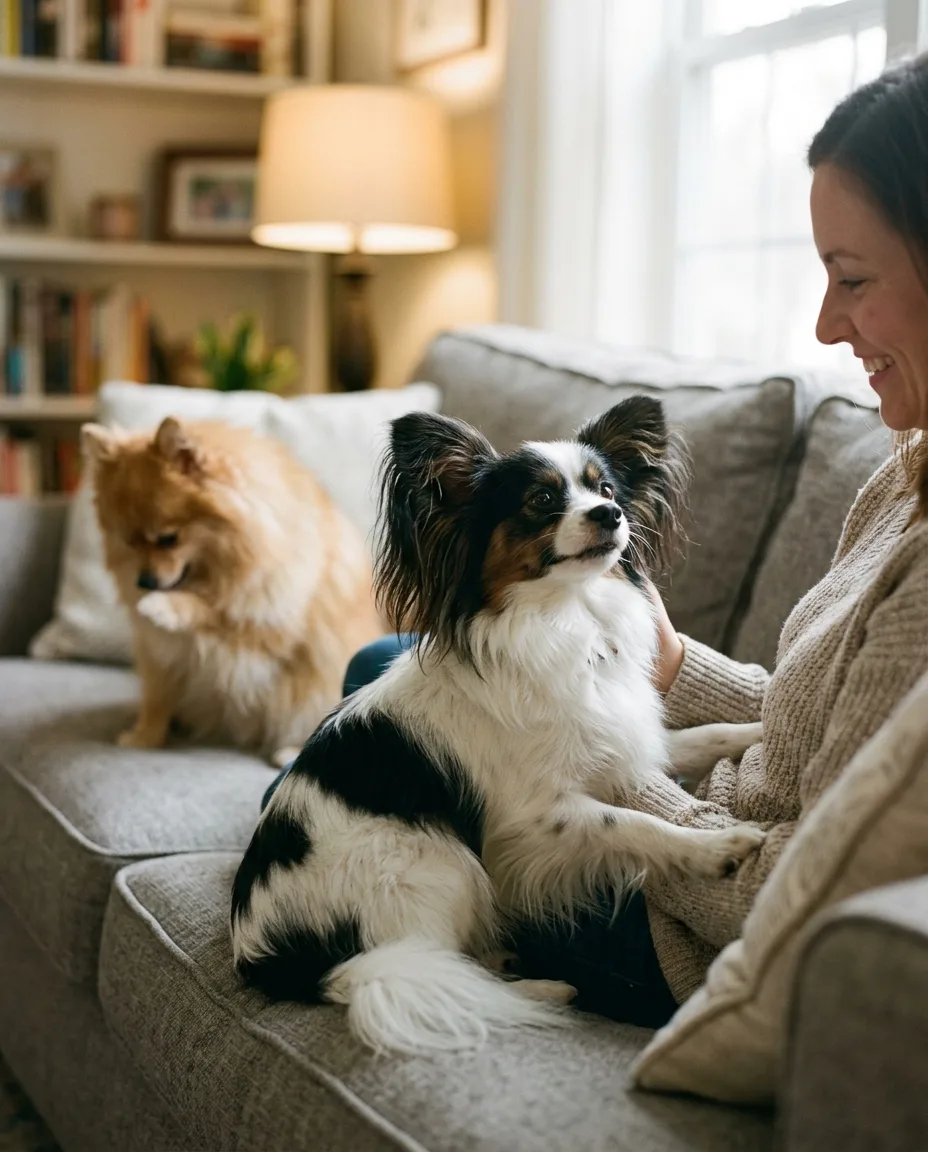
Generally, yes. Because they are confident and not overly aggressive, they often coexist well with other dogs and even cats, provided they are introduced properly. Their size means they are not a threat to other animals, but their bold personality means they won't be easily bullied by larger dogs.
Are they suitable for apartment living?
They are excellent apartment dogs. Their exercise needs are moderate—a brisk walk and some indoor play are usually sufficient. They are not 'yappy' by nature, though like any dog, they will alert you to visitors. Proper training from a young age can manage their vocalization effectively.
How much time do they need for socialization?
Socialization is critical for the first six months. You should expose them to various environments, sounds, and people. A well-socialized Papillon is a joy to take anywhere, from a café to a friend's house. Neglecting this will result in a dog that is anxious rather than affectionate.
Is it normal for my Papillon to follow me everywhere?
Yes, this is typical 'velcro dog' behavior. They are companion animals in the truest sense. If you value your personal space, you might find this behavior intense, but for most owners, it is a comforting sign of their deep attachment.
Your Next Step
If you have decided that the Papillon's blend of affection, intelligence, and elegance is the right fit for your life, your next step is to locate a reputable breeder or a breed-specific rescue. Start by visiting the Papillon Club of America's official website. Use their resources to find breeders who perform the necessary health screenings and who are willing to discuss the temperament of their dogs openly. Do not rush this process. A dog is a decade-long commitment, and finding a breeder who prioritizes the health and temperament of their dogs is the most important investment you will make in your future companion.

Thoughts from the Pack