
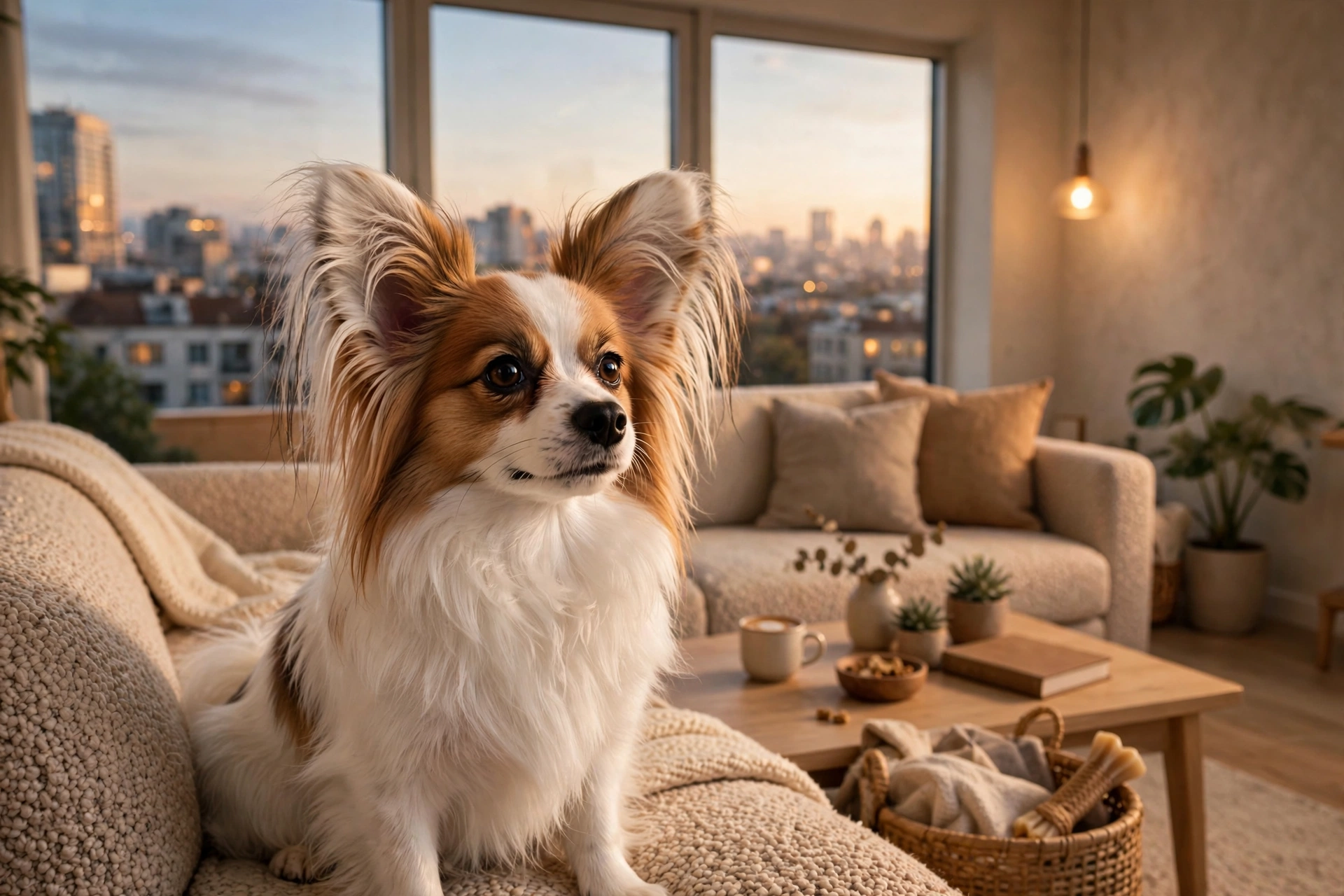
The Short Answer: Yes, With a Few Ground Rules
Are papillons good apartment dogs? Yes — they’re one of the better dog breeds for apartment living. At 5 to 10 pounds and 8 to 11 inches tall, they take up barely any space — but don’t mistake small for low-maintenance. This is a big dog in a tiny body: bright, busy, and vocal. An apartment papillon thrives when their owner plans for exercise, barking, and alone time. Skip that planning and you’ll have a bored, barky neighbor complaint on four legs.
Why Papillons Are Good Apartment Dogs
Plenty works in the papillon’s favor as a city dog — for more on the breed’s background and temperament, see:
- Small footprint: they need far less indoor space than any medium or large breed — a one-bedroom is a palace.
- Moderate exercise needs: a daily walk plus indoor play covers it. They don’t demand a yard, just an engaged owner.
- Clean and low-odor: no doggy smell wafting through small rooms, and no heavy seasonal shed coating the furniture.
- Highly trainable: they’re among the smartest toy breeds, so apartment manners (quiet cues, routine, boundaries) are very teachable.
- Adaptable: papillons adjust to close quarters and city rhythms well — they were bred to live closely with people, wherever people live.
The 3 Apartment Challenges (and How to Beat Them)
1. Barking
The big one. Papillons are alert watchdogs — nicknamed “yappy Pappy” for a reason — and thin apartment walls carry every alert bark to your neighbors. The fix is training, not hope: teach a “quiet” cue early, reward calm behavior when hallway noises happen, and never reward demand barking with attention. A tired papillon also barks less, which brings us to…
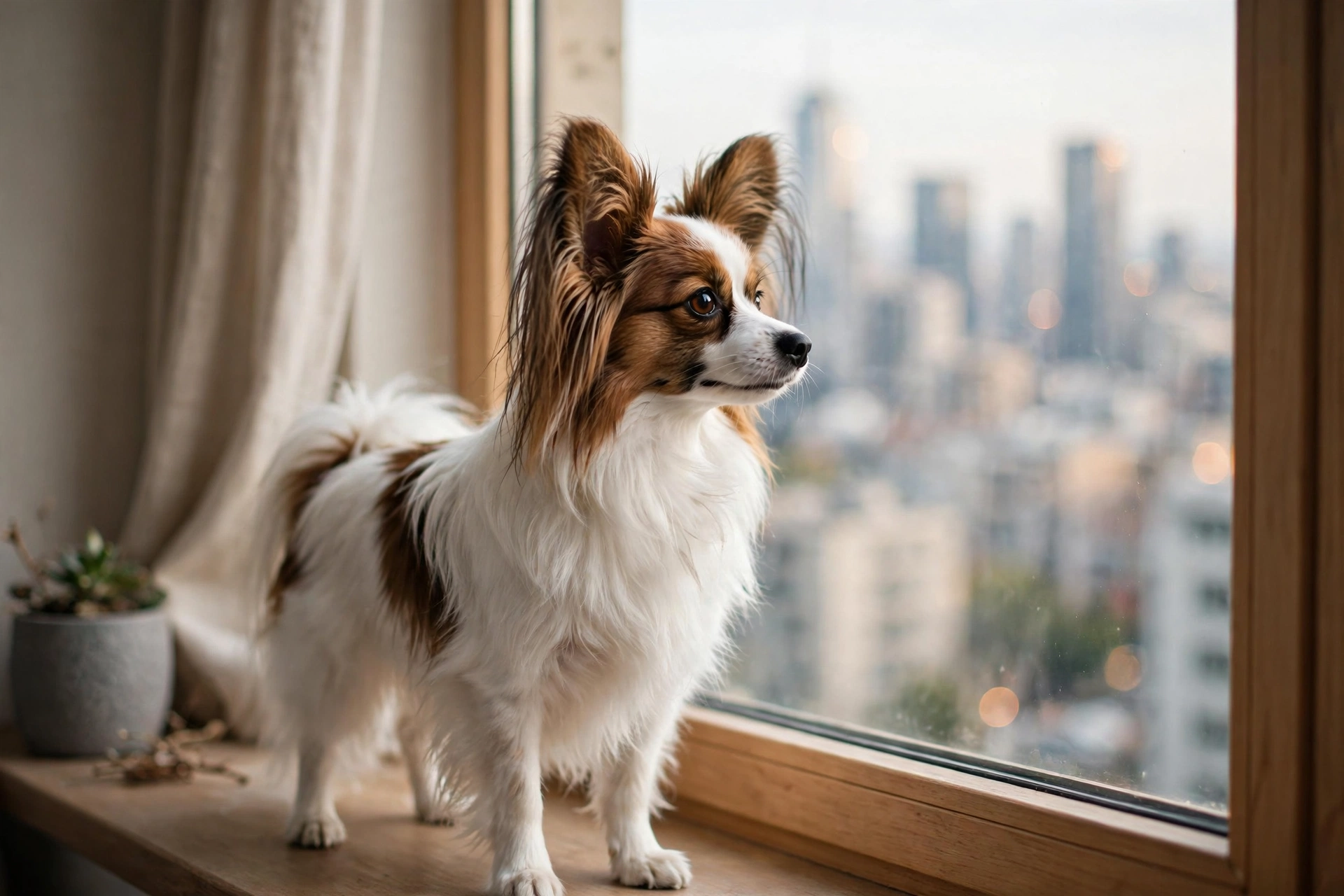
2. Exercise without a yard
No yard is no excuse. Papillons need a real daily walk plus play — fetch down a hallway, puzzle toys, short training sessions that work their famously busy brains. Mental exercise counts double for this breed: ten minutes of trick training tires a papillon out more than a lazy half-hour stroll.
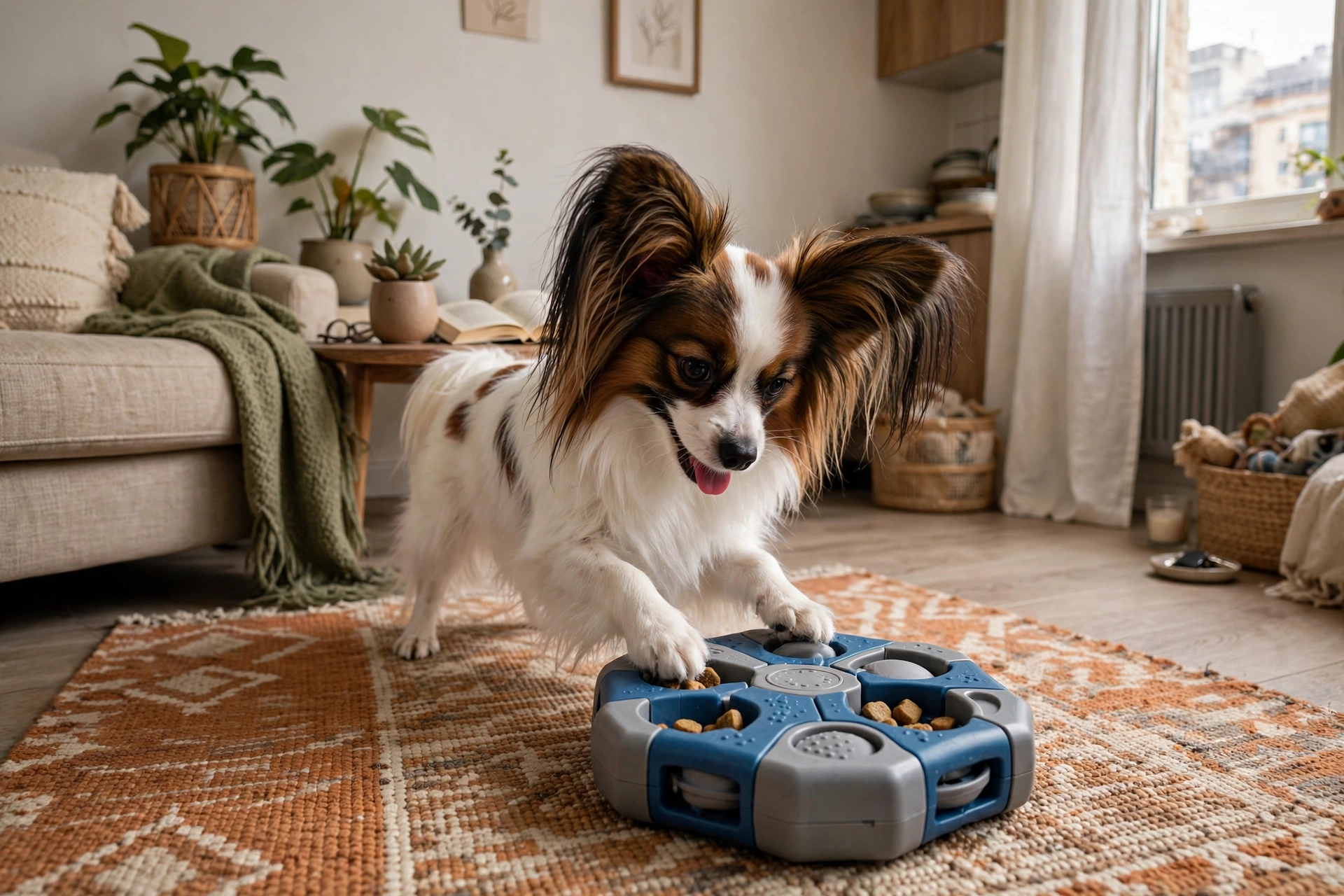
3. Alone time in close quarters
Apartment papillons are often alone while owners work, and this breed’s low tolerance for solitude can turn into barking, scratching, or accidents — all amplified when neighbors are on the other side of the wall. Build up alone time gradually, leave enrichment (a stuffed Kong works wonders), and keep departures boring.
Housetraining in a High-Rise
Papillons have a casual attitude toward housetraining at the best of times, and elevator rides add logistics. Set a strict schedule — out first thing, after meals, after play, before bed — and stick to it rain or shine. Many apartment owners also train a balcony grass pad or indoor litter box as a backup for bad weather or long workdays. Consistency beats square footage every time.
Apartment Papillon FAQ
Do papillons bark a lot in apartments?
They can, if untrained — they’re alert and vocal by nature. But barking is one of the most trainable papillon traits. Most owners get it under control with consistent “quiet” training in the first months.
How much exercise does an apartment papillon need?
A daily walk plus 15–20 minutes of active play or training. They’re energetic but small — you don’t need a park, just commitment.
Can papillons use pee pads or a litter box?
Yes, many do, especially in high-rises. Train it as a backup rather than the only option — regular outdoor walks are still better for exercise and routine.
Are papillons good for first-time dog owners in apartments?
They’re a strong choice: small, clean, trainable, and adaptable. The main demands are time and consistency — if you can give those, a papillon will love apartment life.
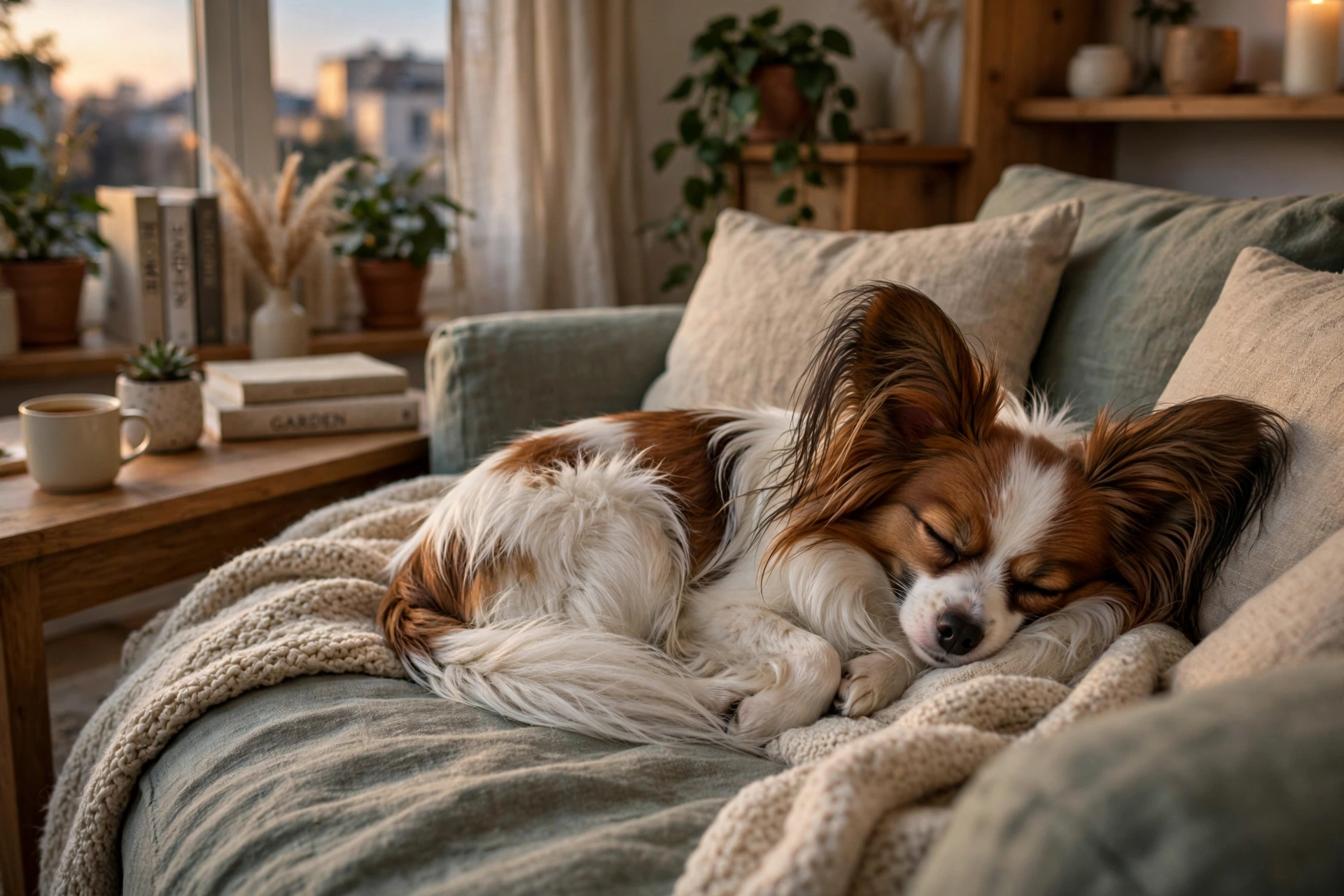
The Bottom Line
A papillon might be the ideal apartment dog on paper — small, clean, clever, and people-focused. The fine print is all about you: train the barking early, commit to daily exercise, and take alone-time training seriously. Do that, and your butterfly-eared roommate will be the envy of the building. So are papillons good apartment dogs? For owners who plan ahead, absolutely.
Keep reading
Worried about the noise factor? Read Do Papillon Dogs Bark? — it breaks down what sets off their barking and how to keep it neighbour-friendly.
Papillons bond hard with their people, so don’t miss Do Papillons Have Separation Anxiety? A Complete Guide for Velcro Dog Owners — it covers the warning signs and a step-by-step training plan.
Thoughts from the Pack