
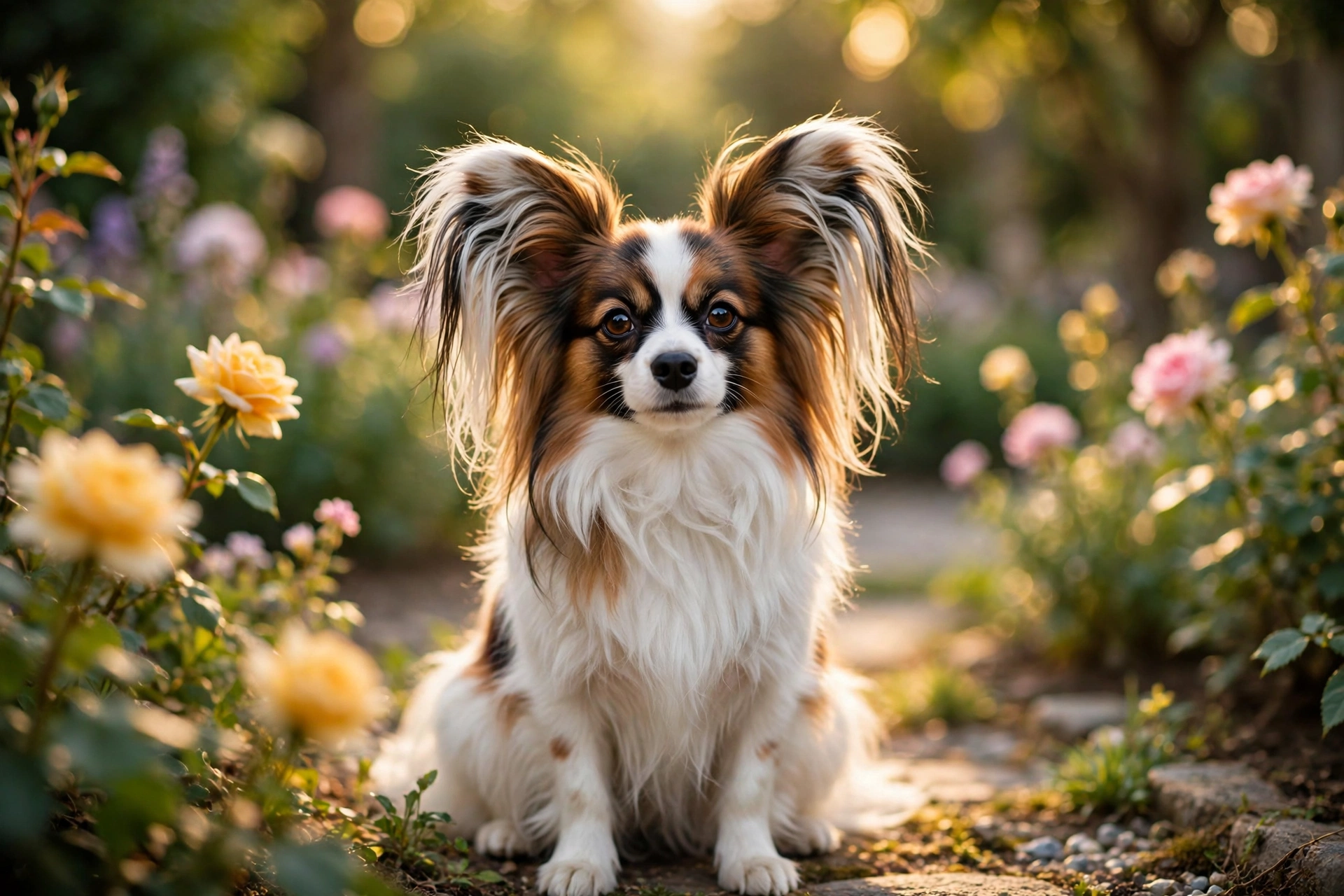
The Short Answer: Yes, But Less Than You’d Think
Here’s the good news, Dade’s readers: papillons do shed, but they’re considered light to moderate shedders — nowhere near the fur-tumbleweed situation of a husky or a golden retriever. If you’ve been eyeing this elegant little breed but worrying about your couch, you can relax. A little.
The reason papillons shed less than many breeds comes down to their coat structure. Unlike double-coated breeds, papillons have a single coat with no dense undercoat. Less undercoat means less seasonal “blowing” of fur, and that makes a real difference in your day-to-day life.
Understanding the Papillon Coat
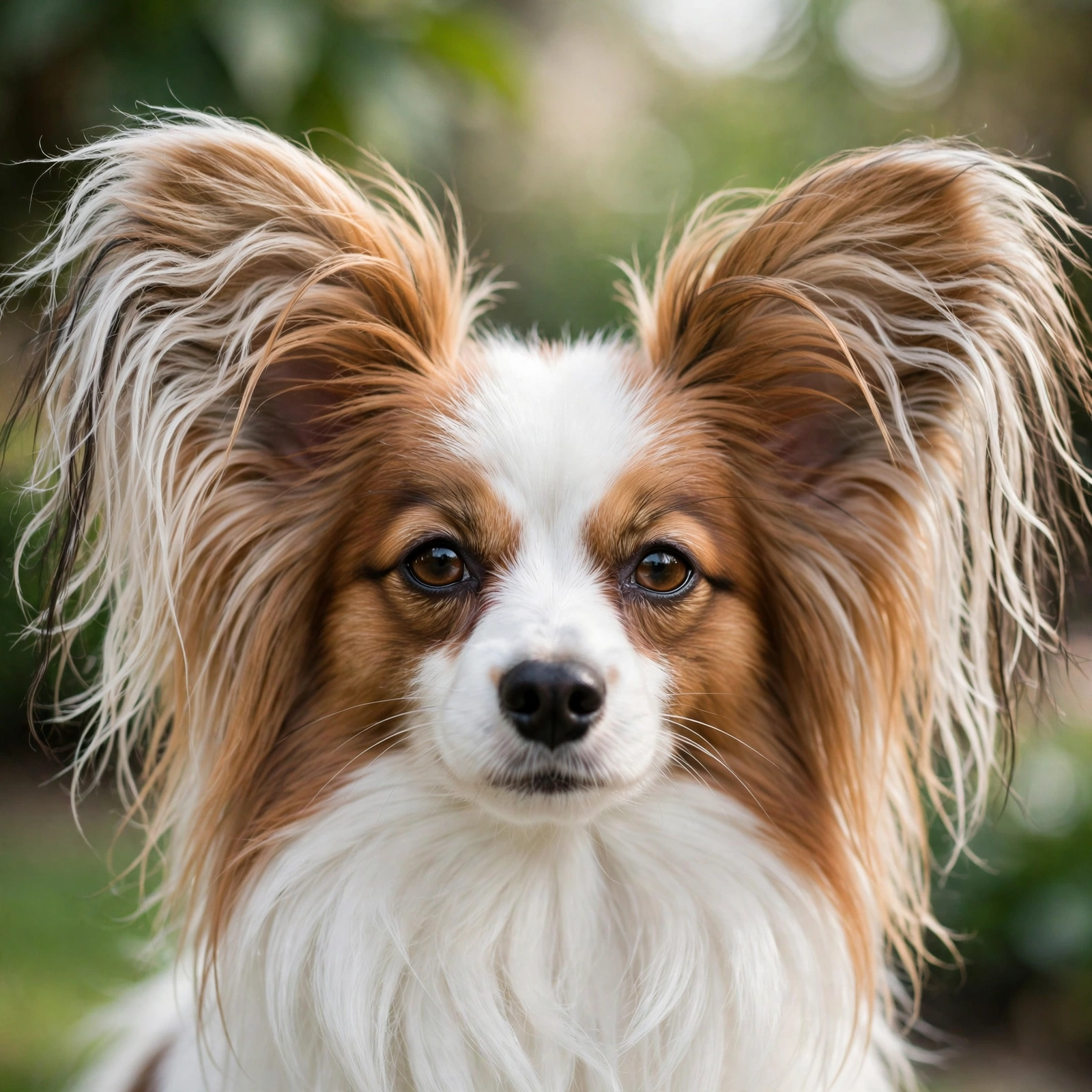
The papillon’s crowning glory is its long, silky coat — and those famous fringed ears that give the breed its name (“papillon” is French for butterfly). The coat is straight, fine, and surprisingly easy to care for. Key traits:
- Single-layered: no thick undercoat to shed in clumps
- Silky texture: loose hairs tend to come out during brushing rather than drifting around the house
- Feathering: the ears, chest, legs, and tail carry longer fringe that needs the most attention
Because the hair is fine and silky, regular brushing catches most of the loose fur before it ever reaches your furniture.
When Do Papillons Shed the Most?
Shedding isn’t constant — it ebbs and flows. You’ll notice more loose hair during:
- Seasonal changes (spring and fall), when the coat adjusts to temperature shifts
- Puppy coat transition — puppies shed their softer baby coat between 4 and 8 months
- Stress or routine changes — moving house, new pets, or schedule upheavals can trigger extra shedding
- Poor diet or health issues — dull coat and heavy shedding can signal it’s time for a vet check
Female papillons may also shed more after a heat cycle or whelping. If shedding suddenly spikes with no obvious cause, a quick vet visit is always worth it.
5 Tips to Keep Shedding Under Control
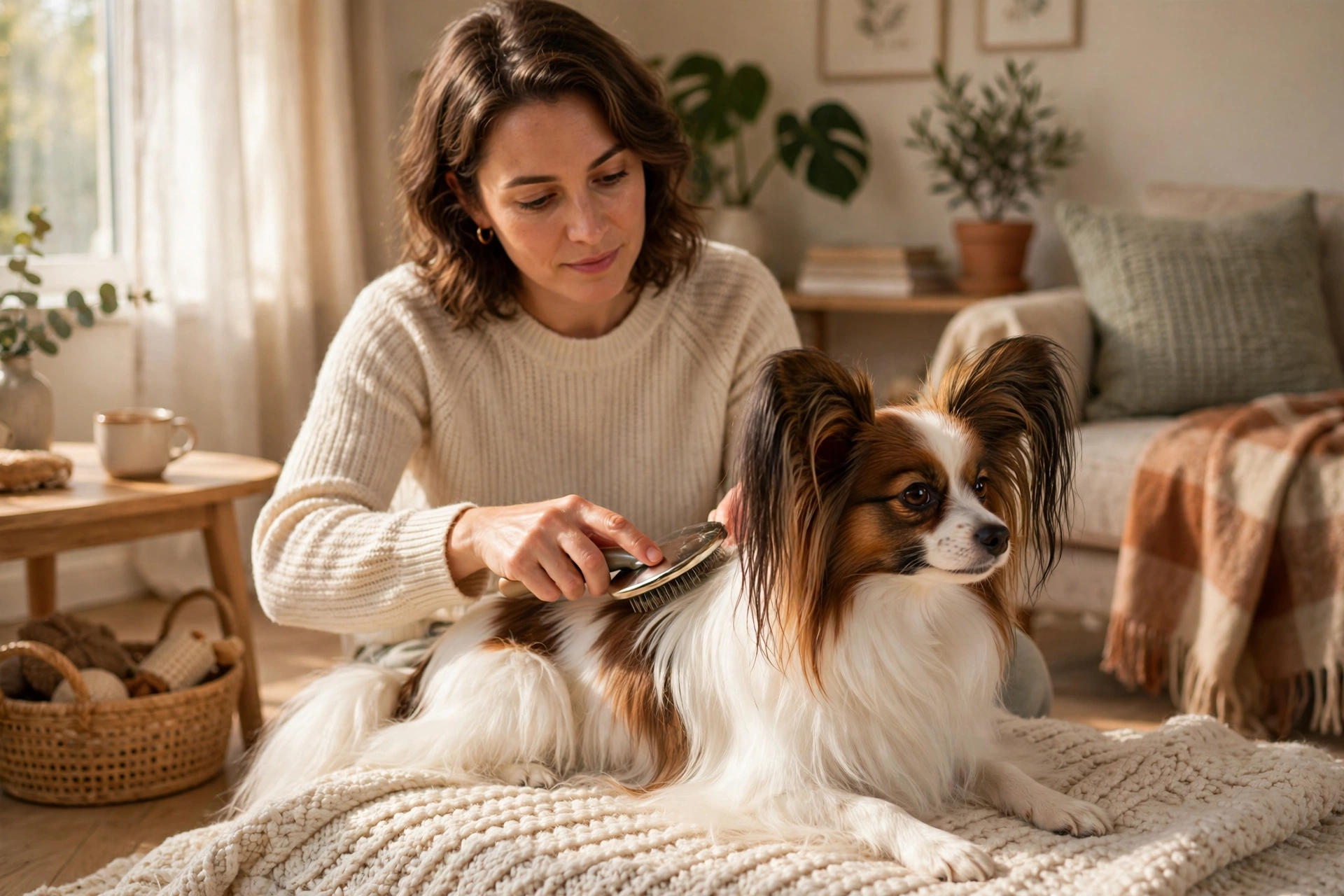
1. Brush 2–3 times a week
A pin brush or slicker brush through the coat two or three times a week is the single best thing you can do. It removes loose hair, prevents mats in the feathering, and keeps that silk shiny.
2. Bathe monthly (not more)
A gentle dog shampoo every 3–4 weeks keeps the coat clean without stripping natural oils. Over-bathing dries the skin and can actually increase shedding.
3. Feed for coat health
Omega-3 and omega-6 fatty acids work wonders for coat condition. A quality diet — plus vet-approved fish oil if recommended — keeps the fur strong and reduces breakage.
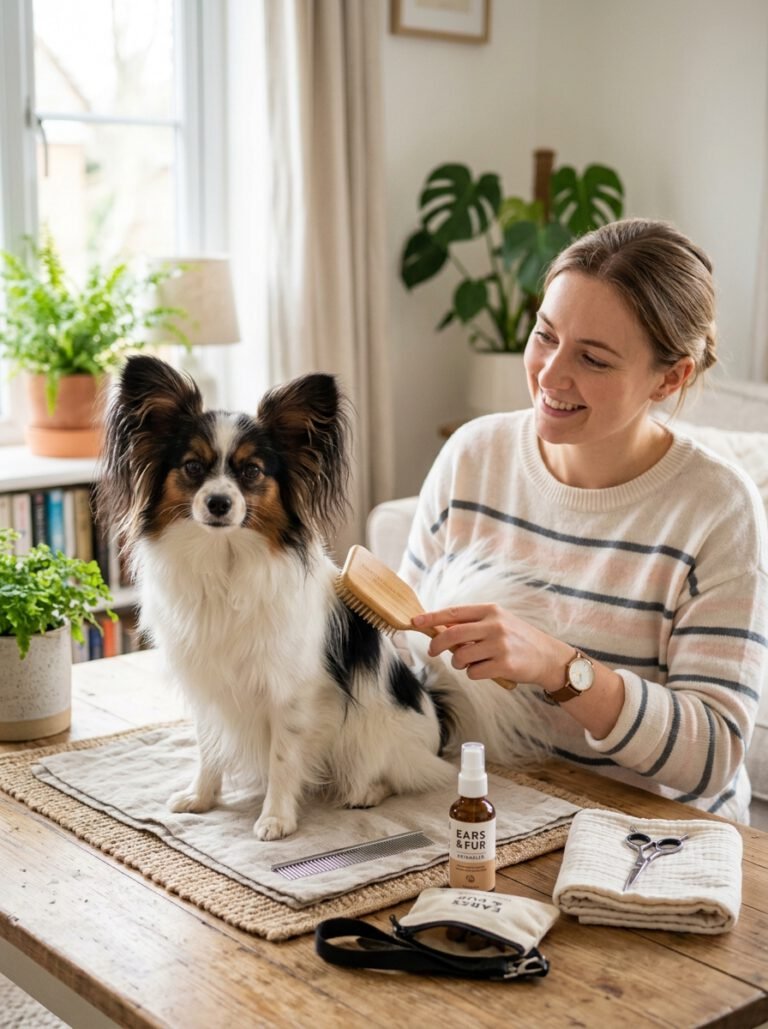
4. Use the right tools
A metal comb for the feathering, a slicker brush for the body, and a de-shedding tool used sparingly during heavy shed weeks. That’s the whole kit.
5. Keep up with vet checkups
Excessive shedding paired with bald spots, itching, or skin redness isn’t normal “papillon shedding” — it’s a vet conversation.
Are Papillons Hypoallergenic?
Short answer: no dog is truly 100% hypoallergenic. But papillons are often a good fit for mild allergy sufferers because they shed lightly and produce less dander than heavy-shedding breeds. If allergies are a concern, spend time with a papillon before committing — every person’s sensitivity is different.
Papillon Shedding FAQ
Do papillons shed a lot?
No — they’re light to moderate shedders. Their single coat means far less loose fur than double-coated breeds.
Do papillons need haircuts?
Generally no. The breed standard calls for a natural coat. Most owners just trim the fur between paw pads and neaten the feathering.
How often should I brush my papillon?
Two to three times a week is plenty for most papillons. Daily brushing during seasonal shed periods keeps things tidy.
Do papillon puppies shed their puppy coat?
Yes — expect the soft puppy coat to transition to the adult silky coat between 4 and 8 months of age.

The Bottom Line
Papillons shed, but gently. A few minutes of brushing a few times a week, a good diet, and regular baths will keep both your butterfly-eared companion and your home looking their best. For a breed this glamorous, the grooming upkeep is refreshingly reasonable — just one more reason to love them.
Thoughts from the Pack