
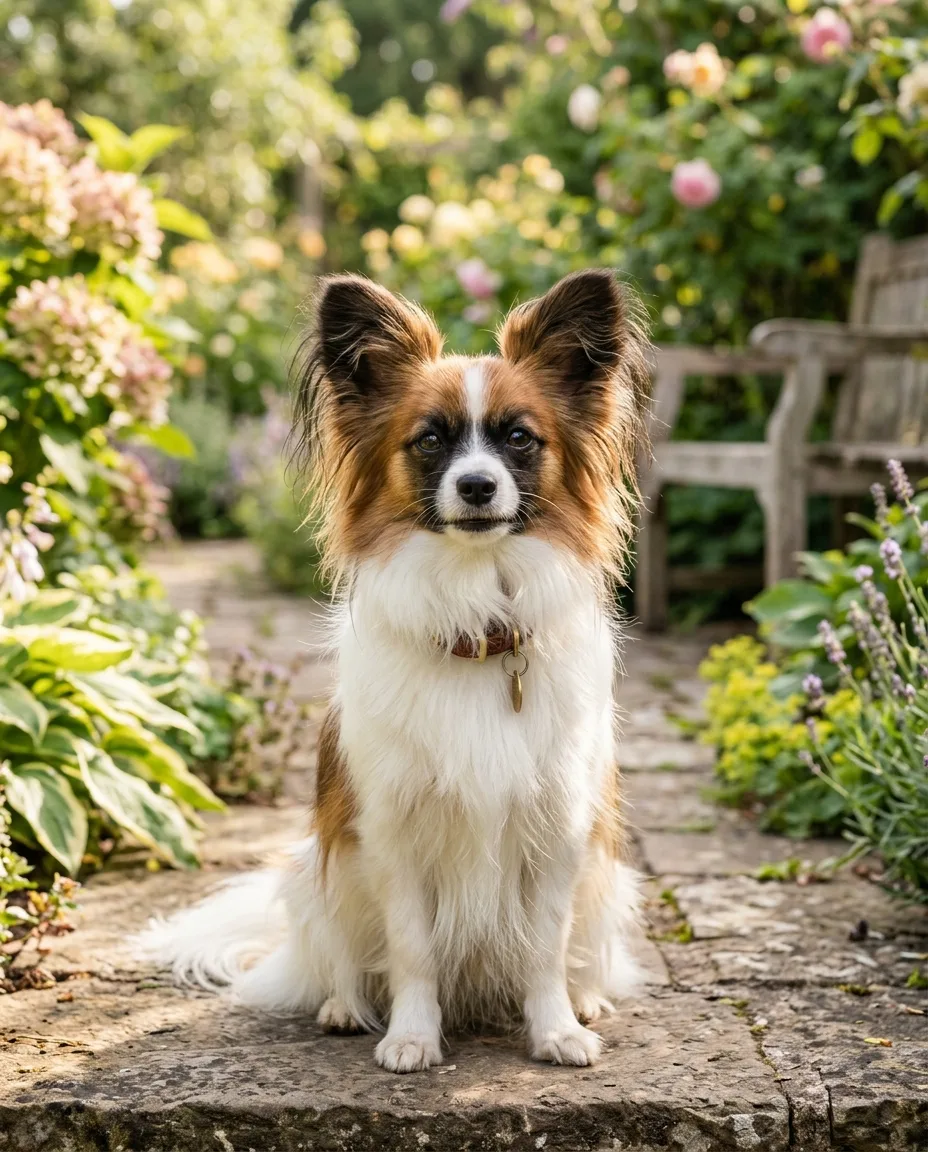
Papillons are smarter than people think. People see the silky coat, the fine bone, and the butterfly ears, then assume the breed is delicate, decorative, or content to drift from sofa to lap without much going on upstairs. In real life, Papillons are little strategists. They learn routines quickly, notice tiny changes in their environment, and often anticipate what their people are about to do before a word is spoken.
That reputation is not wishful thinking from devoted owners. Papillons have long been respected in obedience and agility because they combine speed, focus, and unusual responsiveness. They are small enough to live comfortably in many homes, but mentally they behave more like keen working dogs than ornamental companions. If you have ever lived with one, you already know the breed is constantly watching, connecting patterns, and deciding how to get involved. Those everyday observations are a big part of modern Papillon smarts, and they explain why experienced owners rate the breed so highly.
So why are Papillons smarter than people think? Part of the answer is that their intelligence is subtle. They are not impressive because they look serious or imposing. They impress you in the everyday moments: figuring out which cupboard holds treats, remembering the path of a walk after taking it once, or adjusting their behavior to fit the mood of the room. Their brains show up in practical ways, and that is exactly why they deserve more credit.
Why Papillons Are Smarter Than People Think in Real Life
Many dogs can learn a cue in training class. Papillons stand out because they carry that learning into daily life. They build associations fast. If you always pick up your keys before a car ride, your Papillon will notice. If one path through the house leads to the yard and another leads to bath time, your Papillon will know the difference and react before you reach the door.
This kind of intelligence matters because it reflects more than simple obedience. It shows memory, pattern recognition, and decision making. A smart Papillon is not just following commands. The dog is reading context. That is why owners often describe the breed as almost uncanny. A Papillon can learn your schedule, recognize recurring phrases, and understand household routines with minimal repetition.
They also tend to be highly observant of cause and effect. When a behavior gets a result, they remember it. If sitting politely earns attention, many Papillons start offering a sit before you ask. If barking at the back window always makes you stand up, they may experiment with that too. Their intelligence can be delightful, but it also means they learn your habits just as fast as they learn the formal lessons you intended to teach.
Why Papillons Are So Smart and Easy to Train
One reason Papillons are smarter than people think is their trainability. They usually enjoy the process of learning. Short sessions, cheerful feedback, and clear criteria can take them a long way because they are mentally engaged by the puzzle. Rather than shutting down under structure, many Papillons brighten when they realize a game has rules and that they can win. This is one reason Papillons are so smart in everyday life, not just in formal classes.
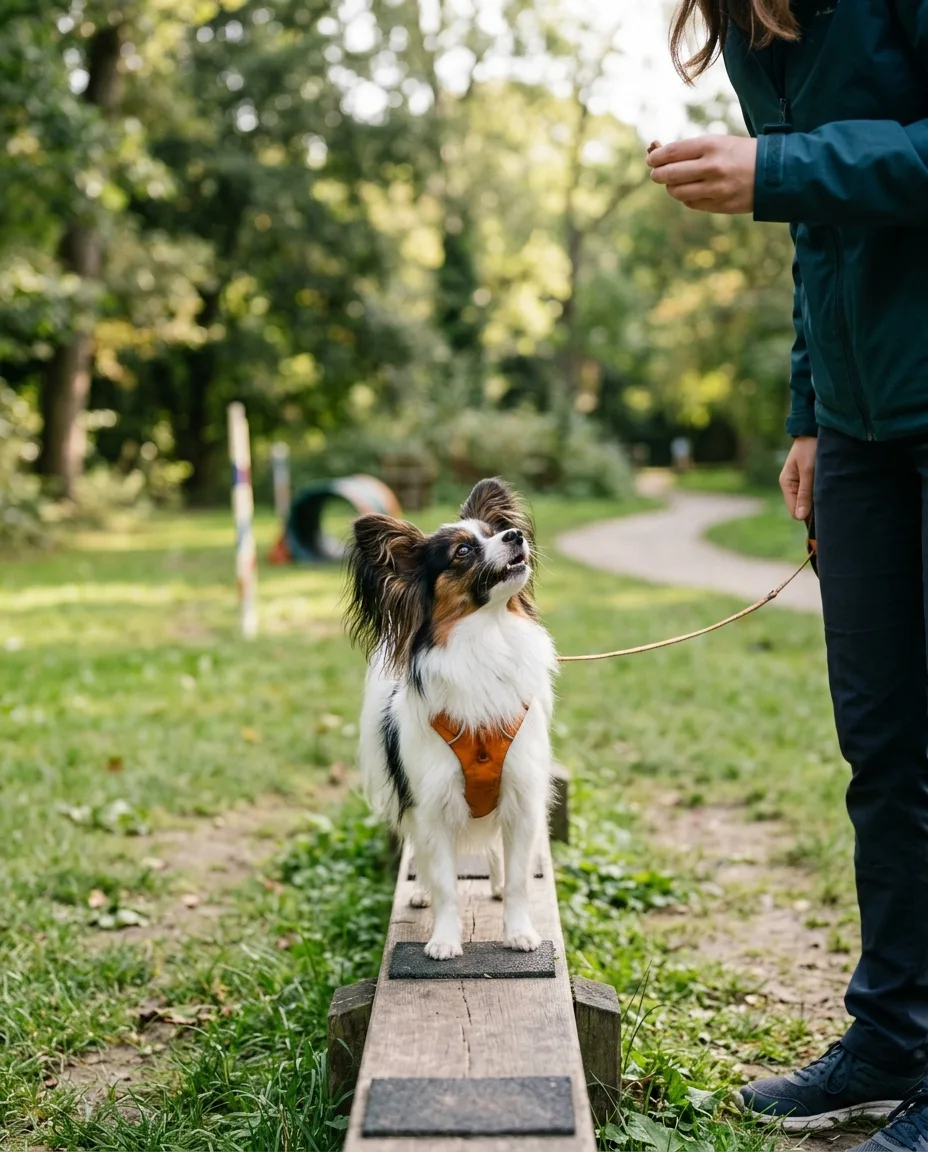
That makes them excellent candidates for obedience, trick training, rally, scent games, and agility foundations. They are quick on their feet, but more importantly, quick in their minds. A Papillon often needs fewer repetitions than people expect, especially when the reward timing is clear. Once the concept clicks, they retain it well and can generalize it into new places faster than many owners assume a toy breed could. In practical terms, Papillons are easy to train when handlers stay consistent, upbeat, and precise.
The flip side is that smart dogs need thoughtful handling. Papillons respond best when training is consistent and respectful. If cues change every day, the dog will become confused. If boundaries are loose one week and strict the next, the dog will test the pattern until it understands it. Their intelligence is not stubbornness. Often it is the breed noticing that the human has been inconsistent and waiting for the rules to make sense again.
Emotional Awareness Makes the Breed Feel Even Brighter
Papillons are not only quick learners in the mechanical sense. They are also excellent readers of human emotion. Many seem to know when a person is stressed, distracted, playful, or ready to rest. They often shift their energy accordingly. A lively Papillon can race through a training game in the garden, then curl up quietly when the household settles down for the evening.
This emotional sensitivity is one of the reasons the breed can feel almost human in conversation. A Papillon may tilt its head when it hears a new tone, soften its approach when you are unwell, or become animated the moment it senses excitement. People sometimes mistake this responsiveness for clinginess, but it is better understood as social intelligence. The dog is constantly gathering information and adjusting behavior to stay connected.
For owners, that means relationship matters. Papillons tend to thrive when spoken to, included, and given meaningful interaction. They do not just want to exist near you; they want to participate. A breed that notices this much will often become easier to train and live with when its emotional needs are respected alongside its physical ones.
What Smart Papillons Need From Their Owners
Intelligence is an advantage, but it comes with responsibility. Papillons are smarter than people think, and that means boredom, inconsistency, or weak routines show up quickly in daily life. Smart Papillons thrive when they have structure, feedback, and enough mental work to do. A Papillon that is bored will make its own entertainment. That can mean nuisance barking, hypervigilance, pestering for play, or creative problem solving that leaves your houseplants, tissues, or laundry in chaos. Smart dogs are not automatically easy dogs. They are easiest when their environment gives them something appropriate to do.
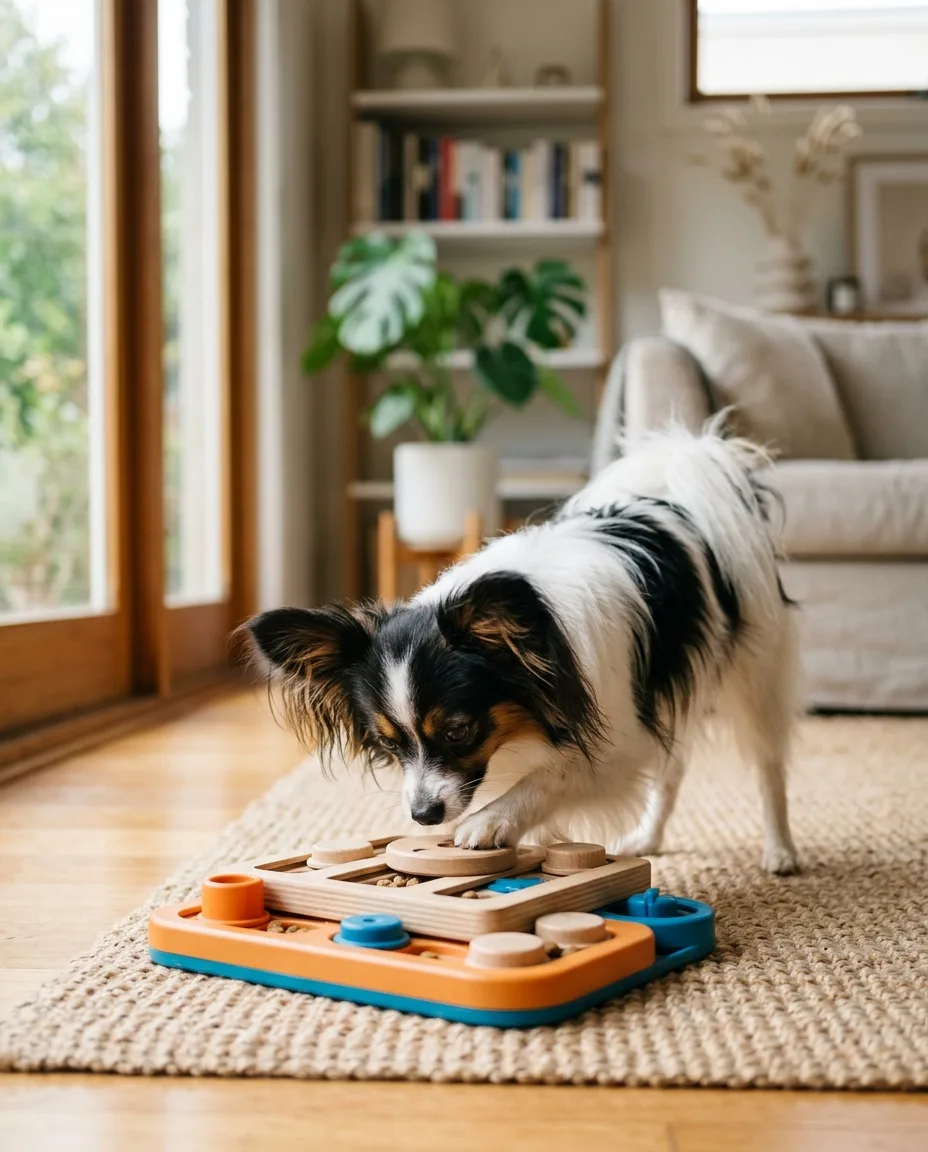
Mental enrichment does not have to be complicated. For more day-to-day support, explore our Papillon care guide and Papillon health guide for routines that keep bright little dogs balanced. A few minutes of trick work, hide and seek with treats, short scent searches, rotating puzzle toys, and varied walks with time to observe the world can all help. The goal is not to exhaust the dog every hour of the day. The goal is to make life interesting enough that the Papillon feels engaged rather than underemployed.
It also helps to remember that a bright dog notices loopholes. If jumping on guests occasionally gets rewarded, the habit may become stronger. If recall only matters when fun is ending, your Papillon will likely detect that pattern. Consistency is kindness with this breed. Clear routines, fair boundaries, and regular learning opportunities let their intelligence work for your household instead of against it.
Frequently Asked Questions About Papillon Smarts
These quick answers cover the Papillon smarts questions owners ask most often when they are deciding how much training, enrichment, and structure this breed really needs.
Are Papillons easy to train? In most homes, yes. They are typically eager, observant, and quick to repeat behaviors that pay off, which makes reward-based training especially effective.
Do Papillons need a lot of mental stimulation? They need regular mental engagement more than people expect from a toy breed. Even a clever five-minute session can matter if it is done consistently.
Are Papillons smarter than larger breeds? Intelligence is not a simple league table, but Papillons absolutely compete with much larger dogs in trainability, responsiveness, and problem solving. Their size should never fool you into assuming limited ability. For breed background and standards, the American Kennel Club and the Papillon Club of America both describe Papillons as bright, active companions.
The Real Reason Papillons Surprise People
Ultimately, Papillons are smarter than people think because they package serious intelligence in a graceful, cheerful body that many people misread at first glance. They are not trying to look important. They are busy noticing everything, learning constantly, and building an active partnership with the humans they trust.
If you treat a Papillon like a fragile ornament, you will miss the best part of the breed. If you treat one like a capable little athlete with a sharp mind and a huge appetite for connection, you will see why experienced owners speak about them with so much admiration. Their intelligence is real, practical, and visible every single day.

Thoughts from the Pack