
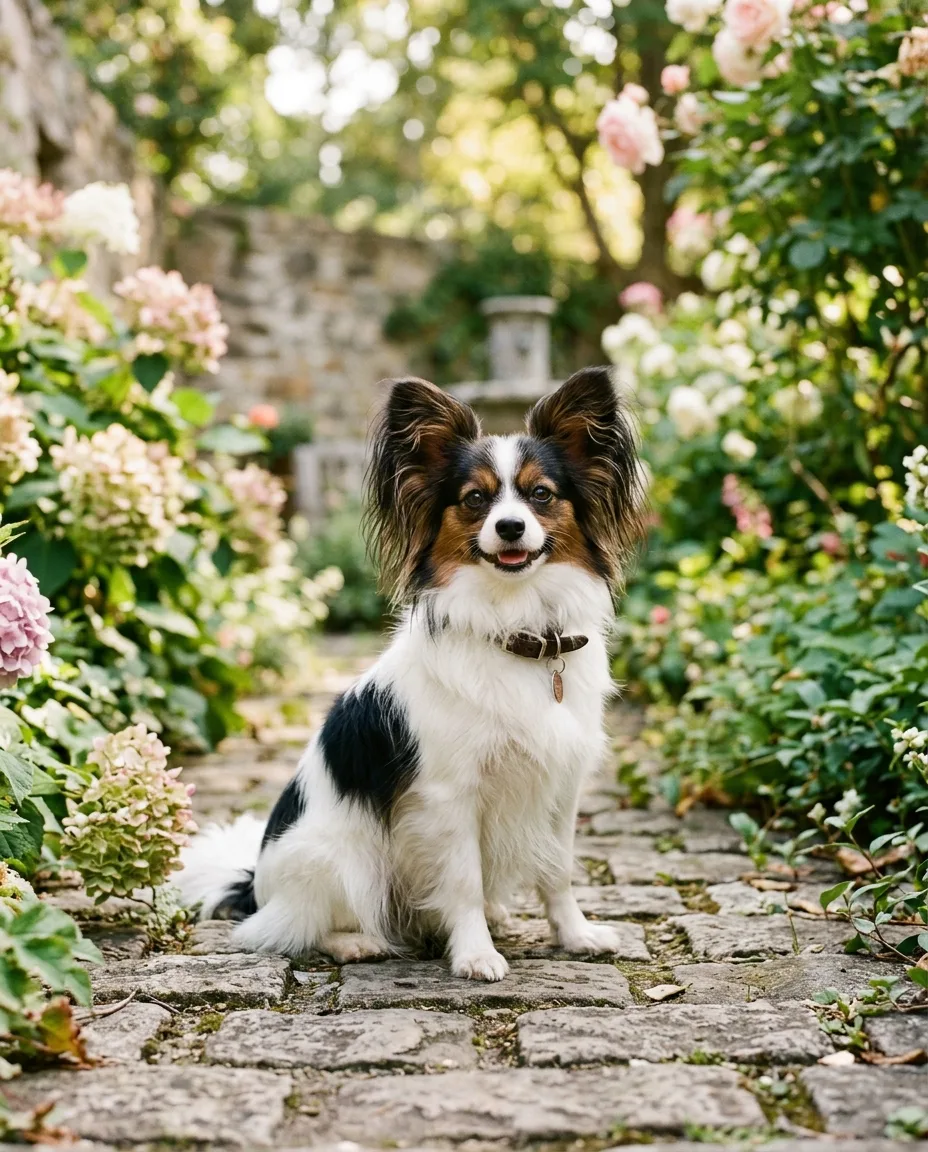
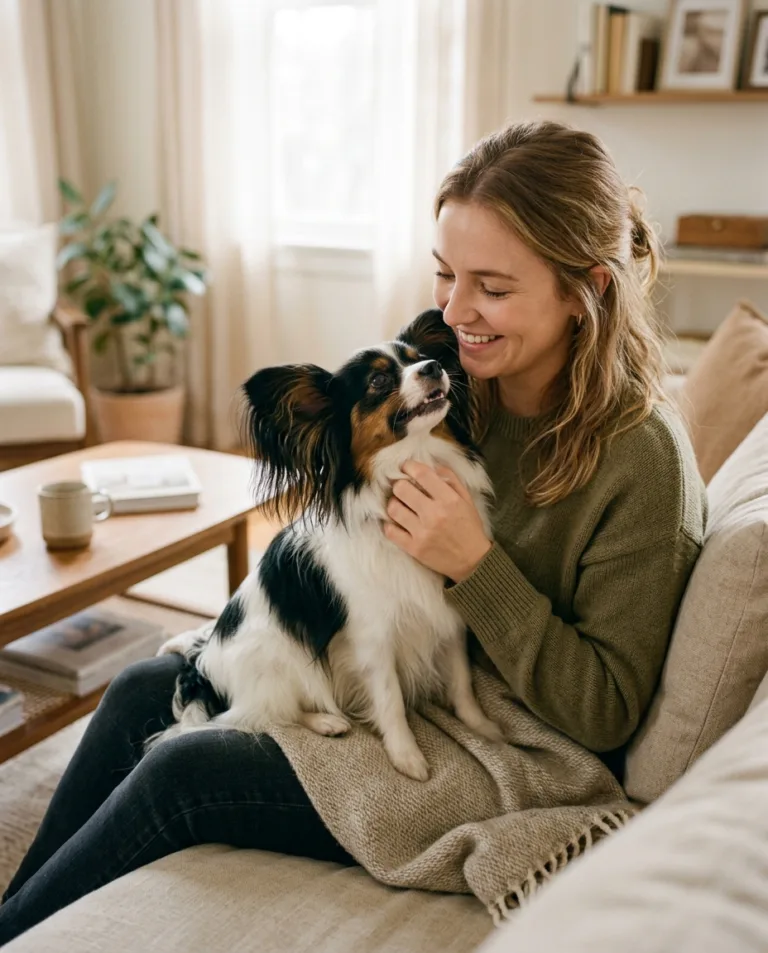
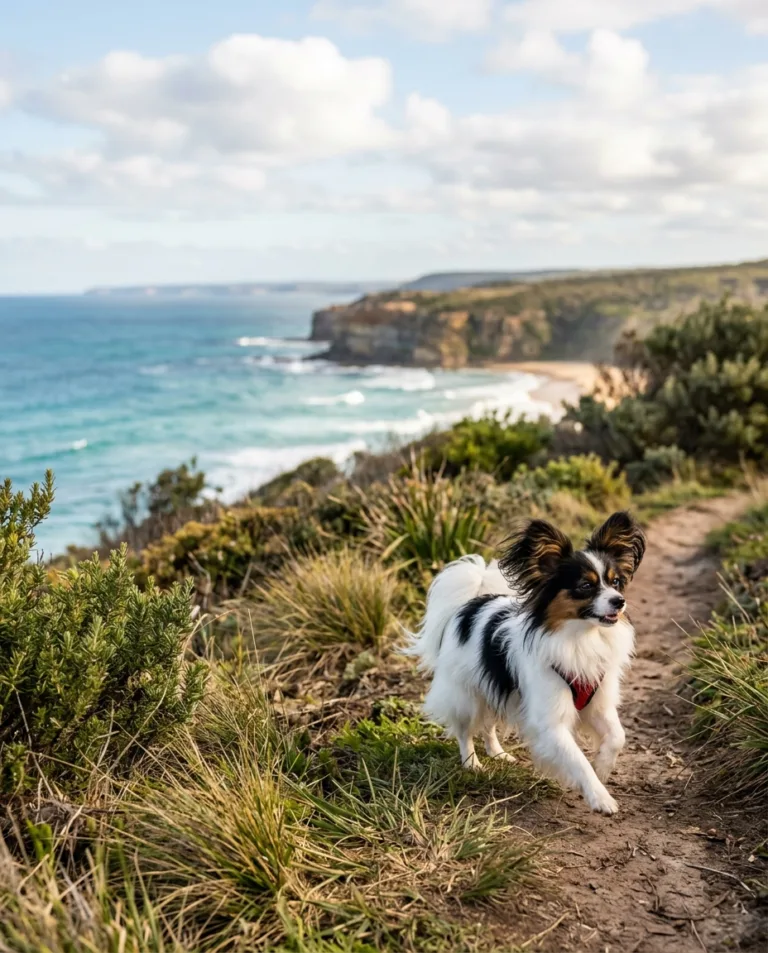
Papillon dogs are small but they do not act like it. These dogs weigh between five and ten pounds. They have large ears shaped like butterfly wings. People often look for papillon dogs for sale because they want a quiet lap dog. This is a mistake. Papillons are active and smart. They need a job to do.
I have lived with this breed for over a decade. They demand your attention. They learn routines quickly. If you want a dog to sit quietly in a purse, look elsewhere. If you want a vibrant companion for long walks, you are in the right place.
The Key Details Behind Papillon Dogs
Understanding the breed means looking at their physical and mental traits. They are toy dogs with the minds of working dogs.
Health and Lifespan
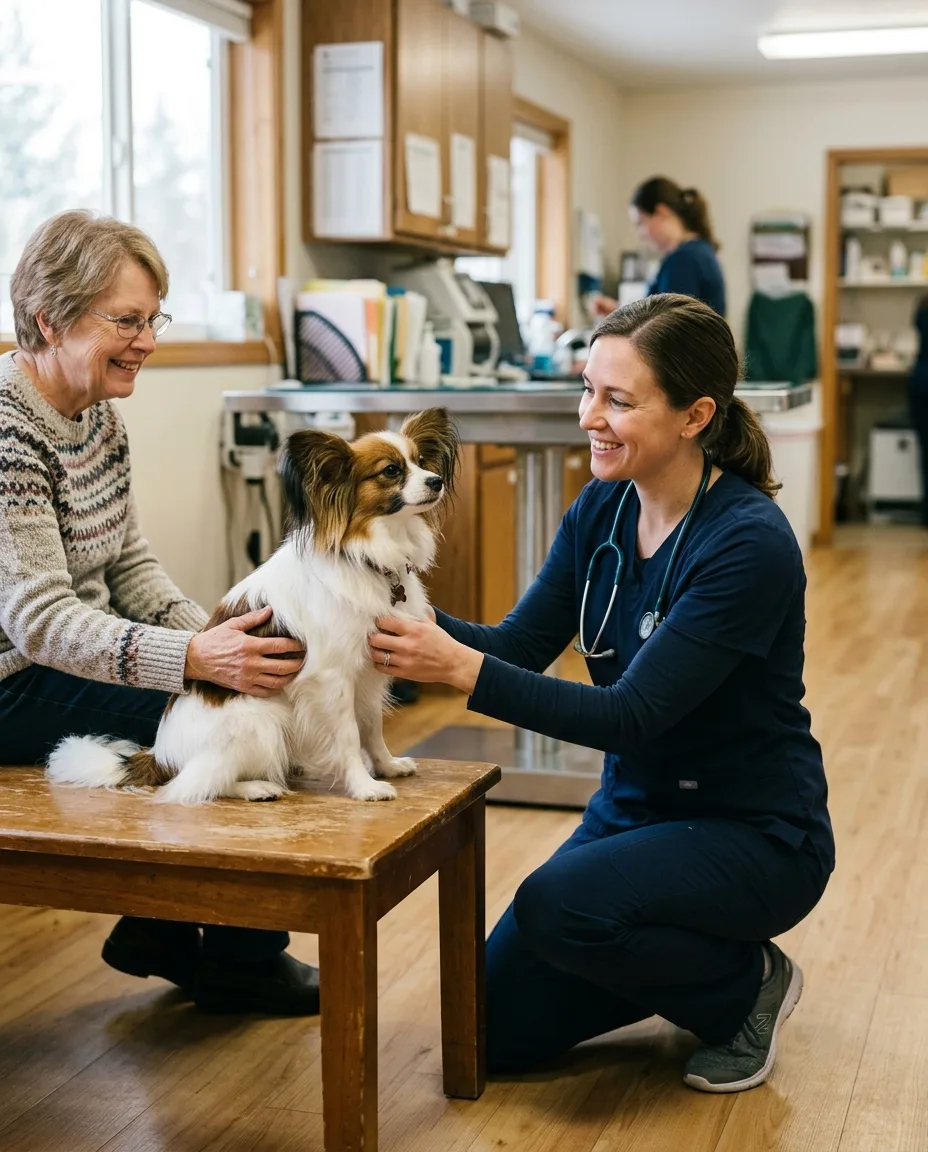
These dogs live a long time. Expect a lifespan of 14 to 16 years. They are generally healthy. Breeders must test for specific issues. The Orthopedic Foundation for Animals recommends checking for patellar luxation. This condition causes the kneecap to slip out of place. Always ask breeders for these health records.
Finding a Dog
Finding a well-bred puppy takes time. If you search for papillon dogs for sale near me, you will see many options. Do your research. Good breeders have waitlists. This applies worldwide. People searching for papillon dogs australia or papillon dogs for sale uk will face similar wait times. You might also consider papillon dogs for adoption. Breed-specific rescues often have adult dogs ready for a new home. An adult dog skips the difficult puppy chewing phase.
Why Papillon Dogs Matter in Practice
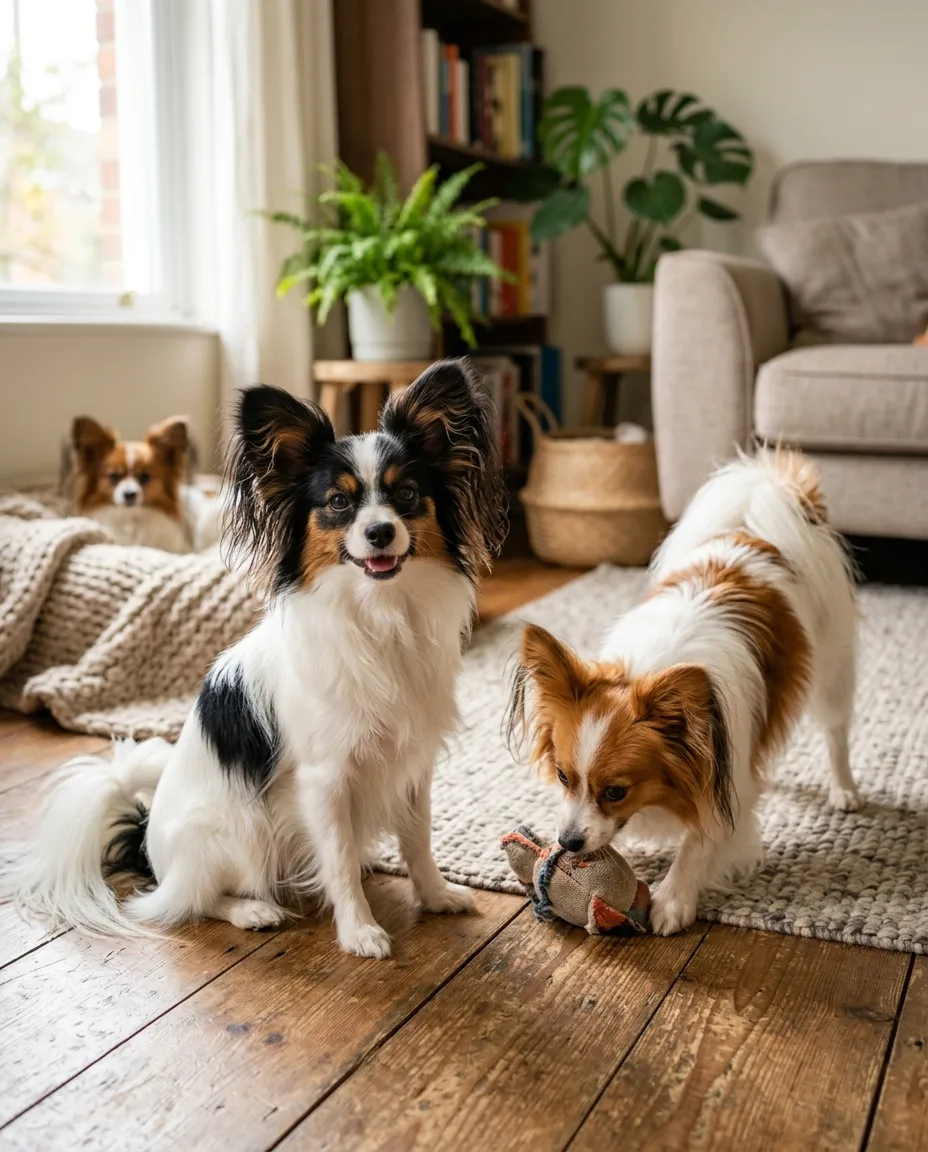
Living with a Papillon changes your daily routine. They thrive on interaction. You will spend time teaching them tricks or taking them to agility classes. Their intelligence means they learn bad behaviour as quickly as good habits.
Their coat requires less work than you think. They have a single coat. They do not have a thick undercoat. A thorough brushing twice a week keeps their fur free of mats. Pay special attention to the fringe on their ears. The hair behind the ears tangles easily.
Frequently Asked Questions About Papillon Dogs
Are Papillons good with children?
They do best with older children. Toy dogs are fragile. Toddlers easily injure them by dropping them or stepping on them.
Do they bark a lot?
They are alert dogs. They bark when someone comes to the door. Consistent training stops nuisance barking. They are not yappy if you give them enough mental stimulation.
What to Do Next With Papillon Dogs
Go meet them in person. Attend a local dog show or agility trial. Watch how they move and interact with their handlers. Speak to breeders about their specific lines. Ask questions about temperament and health testing. Seeing the breed in action will help you decide if a Papillon fits your lifestyle.
Thoughts from the Pack